
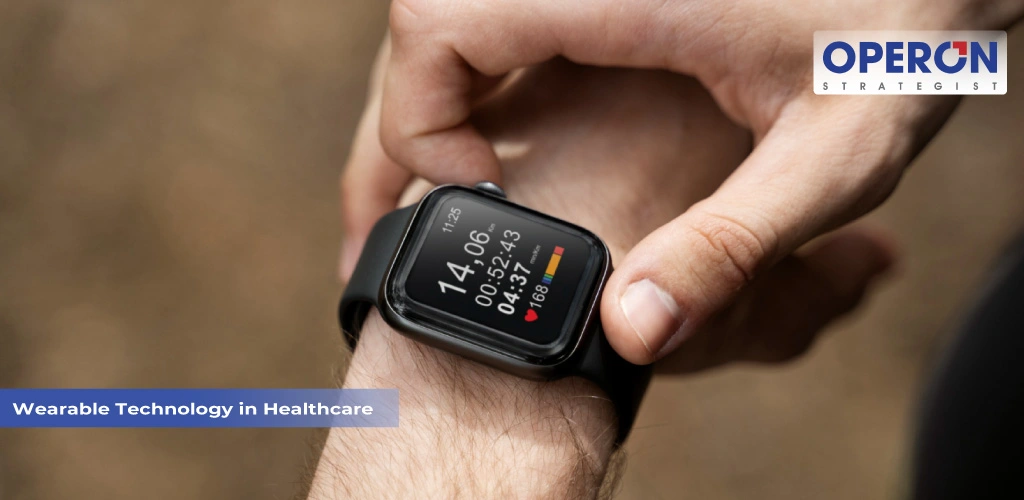
Wearable Technology in Healthcare
Wearable technology in healthcare is transforming how we monitor and manage health. Today’s smart devices can track heart rate, sleep patterns, oxygen levels, and even detect abnormalities in real time.
These innovations are not just fitness tools—they are becoming critical medical solutions that support early diagnosis, remote monitoring, and improved patient outcomes.
However, bringing wearable technology in healthcare to market requires strict regulatory compliance to ensure safety, accuracy, and data security.
Talk to our Experts
What is Wearable Technology in Healthcare?
Wearable technology in healthcare includes smart, body-worn devices that continuously monitor health data and provide actionable insights.
Common Examples:
- Smartwatches with heart rate, SpO2, and ECG monitoring
- Continuous Glucose Monitors (CGMs)
- Fitness and sleep trackers
- Wearable blood pressure monitors
- Biosensor patches for real-time health tracking
These devices help reduce hospital visits and enable proactive healthcare management.
Why Regulatory Compliance is Critical
Not all wearable devices are regulated—but if your product makes medical claims, it must comply with medical device regulations.
Key Reasons for Compliance:
- Ensure patient safety and device accuracy
- Protect sensitive health data
- Meet country-specific regulatory standards
- Avoid penalties, delays, or product recalls
Regulatory compliance is essential for the successful commercialization of wearable technology in healthcare.
Global Regulatory Requirements for Wearable Technology in Healthcare
United States – FDA Compliance
- Classification: Class I, II, or III
- Approval Pathways: 510(k), De Novo, or PMA
- SaMD regulations for software-based wearables
European Union – CE Marking (EU MDR 2017/745)
- Risk classification and conformity assessment
- Clinical evaluation and technical documentation
- Notified Body approval (if required)
- CE Mark certification
India – CDSCO Registration
- Classification: Class A to D
- Forms: MD-5 (manufacturing), MD-15 (import)
- ISO 13485 certification mandatory
- Compliance with Medical Device Rules, 2017
Why ISO 13485 Matters for Wearables
Think of ISO 13485:2016 as the gold standard for medical device quality systems. Most countries (including the US, EU, and India) expect manufacturers to follow this.
Here’s what it helps with:
- Ensuring your product design is safe and risk-controlled
- Managing your suppliers and processes with consistency
- Validating any software or tech features
- Staying prepared for audits and inspections
- Making regulatory submissions smoother and more credible
Key Challenges in Wearable Technology in Healthcare
Manufacturers often face challenges such as:
- Determining if the device is medical or wellness
- Managing software updates and cybersecurity
- Ensuring compliance across multiple regions
- Handling data privacy (GDPR, HIPAA)
Addressing these early helps avoid costly delays.
How Operon Strategist Can Help You Launch Compliant Wearable Devices
Launching compliant wearable technology in healthcare requires expert regulatory knowledge. Operon Strategist provides end-to-end support to simplify your journey.
We can support you with:
- Regulatory strategy and device classification
- US FDA 510(k), CE Marking, and CDSCO submissions
- ISO 13485 QMS implementation
- Risk management, documentation, and technical files
- Full turnkey consulting for setting up manufacturing units
Contact us today to discuss how we can help navigate your regulatory journey and bring your device to market smoothly!
FAQ
What is wearable technology in healthcare?
Wearable technology in healthcare includes smart electronic devices worn on the body to monitor health conditions, track fitness, collect patient data, and support remote healthcare management.
What are common examples of healthcare wearable devices?
Common examples include:
- Smartwatches
- Fitness trackers
- ECG monitoring devices
- Continuous glucose monitors (CGM)
- Wearable blood pressure monitors
- Sleep tracking devices
Are wearable healthcare devices regulated as medical devices?
Yes. Wearable devices intended for medical diagnosis, monitoring, or treatment are regulated as medical devices by authorities such as the FDA, EU MDR, and CDSCO.
What are the benefits of wearable technology in healthcare?
Wearable devices help improve:
- Real-time health monitoring
- Remote patient care
- Early disease detection
- Patient engagement
- Chronic disease management
What regulations apply to wearable medical devices?
Wearable medical devices may need compliance with:
- FDA regulations
- EU MDR requirements
- ISO 13485 quality management systems
- IEC 60601 standards
- Data privacy and cybersecurity regulations