What Makes a Medical Device Safe and Effective?
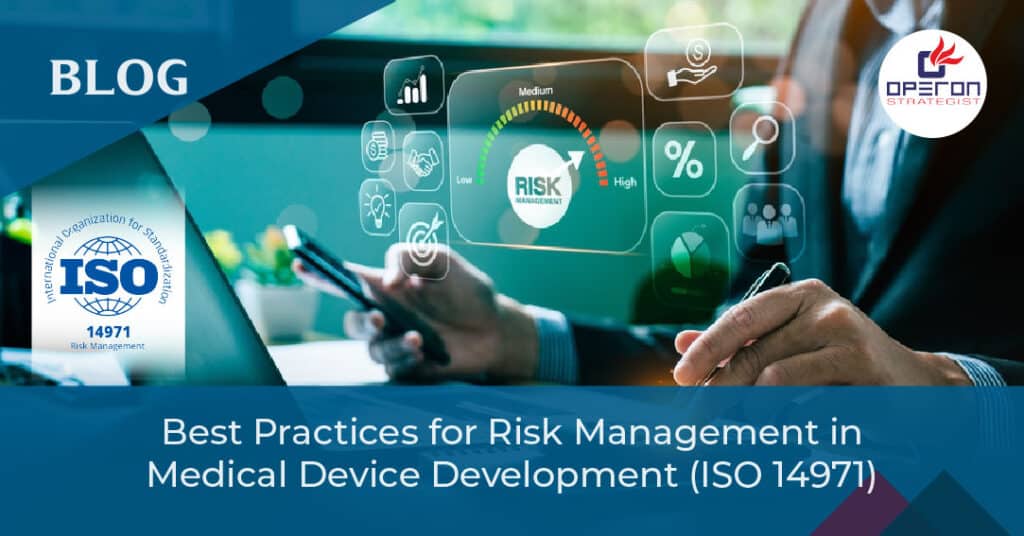
The answer lies in rigorous risk management, and ISO 14971 is the global standard that defines how this should be done. In Saudi Arabia, where regulatory compliance is essential for market entry, aligning product development with ISO 14971 is not just a best practice—it’s a necessity.
This blog explores the best practices for risk management in medical device development as per ISO 14971, helping manufacturers maintain compliance while ensuring patient safety and product reliability.
Looking For a Medical Device Regulatory Consultant?
What is ISO 14971?
ISO 14971 is an internationally recognized standard that provides a framework for identifying, evaluating, controlling, and monitoring risks associated with medical devices throughout their lifecycle. It is mandated by most regulatory bodies, including the Saudi Food and Drug Authority (SFDA), as part of the medical device approval process.
Why is Risk Management Crucial in Medical Device Development?
Medical devices directly impact human health. Any design flaw, software bug, or component failure could lead to serious harm or even death. Effective risk management:
- Prevents harm to patients and users
- Ensures regulatory compliance
- Minimizes recalls and liabilities
- Supports product quality and market reputation
Best Practices for Risk Management as per ISO 14971
- Integrate Risk Management Early
Start risk assessment during the concept and design phase. Risk management should not be a one-time process but should be embedded throughout the product lifecycle.
- Create a Risk Management File (RMF)
Maintain detailed documentation including:
- Hazard identification
- Risk analysis (likelihood and severity)
- Risk evaluation and control measures
- Benefit-risk analysis
This file is required by regulatory authorities, including SFDA.
- Use a Cross-Functional Team
Include professionals from engineering, clinical, quality, and regulatory departments. This ensures all potential risks are considered from various perspectives.
- Apply Risk Control Measures Strategically
Use a hierarchical approach:
- Inherent safety by design
- Protective measures (e.g., alarms)
- Information for safety (e.g., user manuals)
- Conduct Post-Market Surveillance
Monitor device performance post-launch to identify new risks. Update the risk management file based on real-world data.
- Regular Risk Reviews and Updates
Reassess risks regularly and after any design changes or field incidents. ISO 14971 requires continual risk evaluation.
How ISO 14971 Aligns with SFDA Requirements in Saudi Arabia
SFDA mandates risk management documentation in accordance with ISO 14971 for all imported or locally manufactured medical devices. Aligning with ISO 14971 not only simplifies the SFDA approval process but also enhances product safety, paving the way for faster market access in Saudi Arabia.
Get Expert ISO 14971 Consulting From Operon Strategist and Streamline Your Risk Management Process Today!
Role of Operon Strategist in ISO 14971 Compliance and Risk Management in Medical Device Development
At Operon Strategist, we specialize in guiding medical device manufacturers through the complex process of risk management and ISO 14971 implementation.
Our services include:
- Gap assessment of your current risk management process
- Development of Risk Management Files (RMF)
- Risk Control Strategy Support
- Integration of Post-Market Surveillance (PMS) Data into risk management to ensure ongoing compliance
- Customized ISO 14971 Training for your internal teams, focusing on practical application
- Alignment with SFDA regulatory requirements within Risk Management file.
We simplify compliance and ensure your product is safe, effective, and ready for the Saudi market.