
Product Feasibility and Detailed Project Reports for Medical Device Design and Development
What is a Medical Device Product Feasibility Report?
A Medical Device Product Feasibility Report is a critical preliminary step in the device development lifecycle. It provides a comprehensive analysis of a product concept’s technical, regulatory, and commercial viability before you invest in full-scale design and manufacturing.
Think of this report as your strategic roadmap. It evaluates whether your proposed device will meet client expectations, comply with stringent global regulations, and ultimately thrive in a competitive marketplace.
Key Components of a Feasibility Report
- Client & User Requirements: Gaining a profound understanding of end-user needs and defining precise, actionable product goals.
- Market Research: Analyzing the target demographic, assessing potential demand, and evaluating the competitive landscape.
- Regulatory Compliance Strategy: Mapping out the exact approval pathways required for your target markets, including USFDA 510(k), ISO 13485, and European CE Marking.
- Financial Projections: Providing realistic estimates for development, production, and operational costs to ensure financial viability.
- Risk Assessment: Proactively identifying potential challenges and outlining mitigation strategies integrated with a robust Quality Management System (QMS).
- Clinical Usability Review: Verifying that the device is practical, safe, and genuinely valuable in real-world healthcare settings.
A well-structured feasibility report is an invaluable tool for mitigating risks, optimizing development timelines, and streamlining the engineering process. It establishes a rock-solid foundation for innovation, ensuring a confident and successful market entry.
Medical Device Market Research & Feasibility: Key Insights
Thorough market research is the cornerstone of any successful medical device development strategy. Understanding the landscape before you launch ensures your product meets real-world demands. Here is a closer look at the critical factors we analyze:
- Regional Pricing Dynamics: Medical device pricing fluctuates significantly across different global regions. We help you develop localized pricing strategies to maximize market penetration and profitability.
- Cultural Preferences: Cultural attitudes toward specific medical procedures and devices can dictate market acceptance. Anticipating these nuances is vital for driving demand.
- Evaluating Market Size: Pinpointing the exact size of your target market is a pivotal step. While niche markets may not justify heavy development costs, demonstrating a large, addressable market is key to securing investor funding.
Global Market Challenges: Domestic market data is often readily available, but analyzing international markets requires specialized, in-depth research to navigate complex global entry barriers.

Feasibility Studies in Focus
Beyond initial market research, a comprehensive feasibility study tackles the practical hurdles of bringing a device to life, including clinical, logistical, and regulatory challenges. Key areas of focus include:
- Stakeholder Feedback: Gathering direct insights from clinical sites, Contract Research Organizations (CROs), and sponsors to identify the most effective feasibility techniques and technological innovations.
- Feasibility Requirements: Analyzing the percentage of clinical trials that necessitate formal feasibility studies and determining whether these should be executed internally or outsourced to specialized consultants.
- Data-Driven Insights: Leveraging high-quality data sources to improve the accuracy of feasibility estimates, while evaluating the industry’s reliance on expert third-party services to guide decision-making.
Key Segments in Medical Device Manufacturing
- Electrical Devices
Examples include ECGs, pulse oximeters, and X-ray machines.
These devices require specialized knowledge in electronics and cutting-edge technologies. - Disposable Devices
Examples include syringes, masks, IV cannulas, and IV sets.
Production of these devices calls for expertise in molding, plastic technologies, and efficient, scalable manufacturing processes.
Let's Grow Your Business Together
Essential Elements of Medical Device Manufacturing:
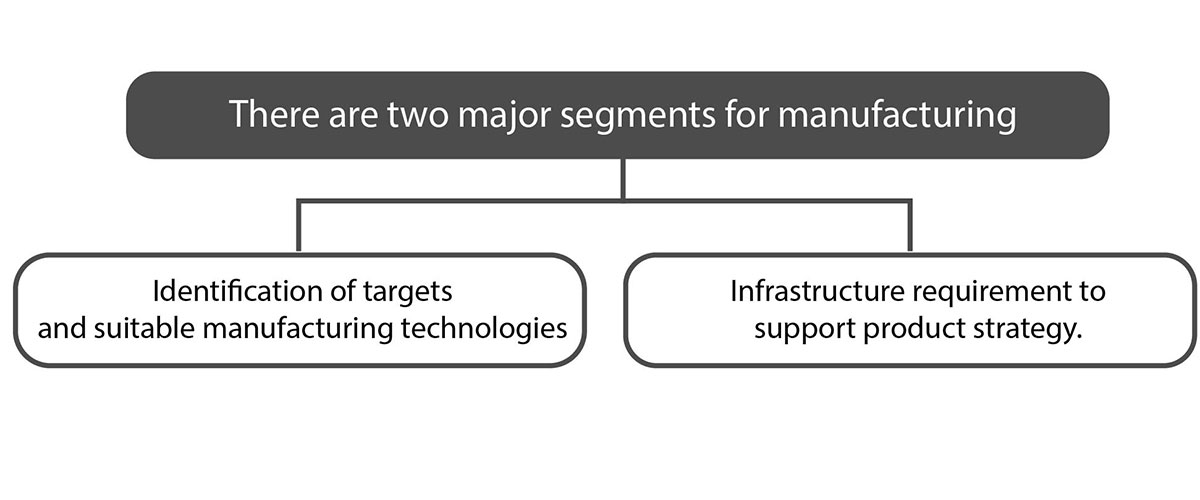
1. Identifying Targets & Selecting Optimized Manufacturing Technologies
In modern medical device manufacturing, the goal is to maximize production efficiency without compromising sustainability. Success in this phase depends on three critical factors:
- Sustainability: Prioritizing the use of eco-friendly materials and renewable resources throughout the production cycle.
- Operational Efficiency: Implementing energy-efficient machinery and lean manufacturing methods to drastically minimize waste.
Technological Alignment: Selecting high-precision technologies specifically suited to the product category, whether the device is a complex electronic system or a high-volume disposable product.
2. Establishing Infrastructure for Product Strategy
Building a robust infrastructure during the initial development phase is vital for a smooth transition to market. This involves:
- Defining Specifications: Establishing clear technical requirements and intended use cases for the device.
- Strategic Risk Analysis: Conducting comprehensive risk assessments early on to support and de-risk global development plans.
- Infrastructure Alignment: Coordinating manufacturing facilities and logistics with the intended market and product type—ensuring the setup is optimized for both specialized serializable equipment and cost-effective disposable products.
Detailed Project Reports for Medical Instrument Design & Development
Our Detailed Project Reports (DPRs) serve as a comprehensive roadmap for the engineering and lifecycle management of medical instruments. This critical documentation includes:
- Project Scope and Objectives: A clear definition of the device’s intended use, clinical purpose, and primary goals.
- Design and Development Plan: A detailed, phase-by-phase outline of the engineering approach required for medical instrument creation.
- Regulatory Pathway: A strategic identification of the specific certifications and approvals—such as FDA 510(k) and CE Marking—required for a successful market launch.
The Medical Device Product Development Process: Concept to Commercialization
Navigating the path from an idea to a market-ready product is complex. Operon Strategist simplifies this journey through a structured, strategic methodology:
- Design Phase: We transform your conceptual vision into a functional, technical design.
- Prototyping & Testing: We develop high-fidelity prototypes to rigorously validate design features, ergonomics, and core functionality.
- Risk Management & Mitigation: Using tools like FMEA, we analyze potential risks and implement robust control measures early in the process.
- Regulatory Submissions: Our experts compile and prepare all necessary technical files and documentation to ensure seamless compliance and approval.
Our Proven Methodology for Medical Device Design
Our systematic approach ensures that every device we touch meets the highest global standards for quality and safety:
- Conceptual Design: We develop initial engineering concepts rooted in the findings of our feasibility studies.
- Design Verification & Validation: We conduct rigorous testing to ensure the device meets its technical specifications (Verification) and fulfills the needs of the end-user (Validation).
- Quality Assurance: Continuous quality benchmarks are integrated throughout the design and development lifecycle to ensure the final product is consistently safe and effective.
Why Choose Operon Strategist for Your Medical Device Journey?
Operon Strategist is a premier partner in medical device design and development, dedicated to bringing innovative, safe, and compliant technologies to the global market. We bridge the gap between complex engineering and successful commercialization through our specialized turnkey solutions.
Our Competitive Edge
- Global Regulatory Expertise: Navigate the intricate requirements of international markets with confidence. We provide dedicated consultation for India, USA, UK, Saudi Arabia, South Africa, Oman, Egypt, and beyond.
- End-to-End Turnkey Solutions: From initial concept and manufacturing plant layout to system setup, staff training, and final licensing, we manage the entire lifecycle of your project.
- Data-Driven Strategy: Our comprehensive market analysis and feasibility studies ensure your product is backed by a solid financial and clinical foundation.
- Optimized Time-to-Market: We utilize a refined design development process that eliminates bottlenecks, ensuring your device reaches healthcare providers and patients faster.
- Tailored Compliance: Whether it is ISO 13485, FDA 510(k), or CE Marking, we customize our project reports and Quality Management Systems (QMS) to fit your specific product and target region.
Collaborate for Success
Partner with Operon Strategist to ensure your medical devices are not only market-ready and compliant but also positioned for long-term success in the competitive healthcare industry.
Ready to start your project? Contact Us to discuss your medical device innovation.
FAQ
What is a product feasibility study for medical devices?
A product feasibility study evaluates the technical, regulatory, and commercial viability of a medical device before full-scale development, ensuring compliance and market readiness.
Why is a detailed project report (DPR) important for medical device manufacturing?
A Detailed Project Report (DPR) outlines critical aspects such as design, regulatory requirements, cost analysis, risk assessment, and implementation plans, guiding medical device manufacturers in Costa Rica.
What regulations are considered in the feasibility study?
Our feasibility study follows global medical device regulations, including FDA 21 CFR Part 820, ISO 13485, CE Marking, and Costa Rica’s health authority guidelines.