Blood collection tube manufacturing plays a vital role in the diagnostic and healthcare industry. These tubes are used every day in hospitals and laboratories for collecting and storing blood samples safely. For manufacturers and startups in the UK medical device market, understanding the complete process—from materials and machinery to regulatory approvals—is key to setting up a compliant and profitable production facility.
What Are Blood Collection Tubes?
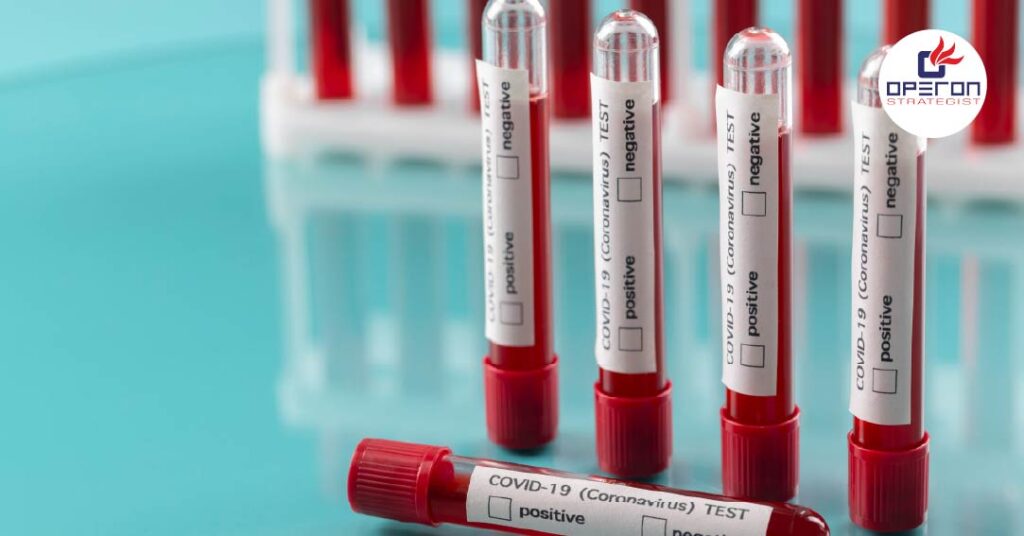
Blood collection tubes are sterile containers designed to collect, store, and transport blood samples for diagnostic testing. Each tube is pre-filled with additives such as anticoagulants or clot activators to preserve the sample’s integrity.
Common types include:
- Vacuum blood collection tubes
- Non-vacuum (manual) tubes
- Serum separator tubes
- EDTA tubes
- Heparin tubes
- Fluoride/oxalate tubes
Talk to Our Experts
Why Start a Blood Collection Tube Manufacturing Business in the UK?
The UK has a growing demand for high-quality diagnostic consumables. With the increasing number of healthcare facilities, pathology labs, and the focus on self-diagnostic testing, the market for blood collection tubes is expanding.
Key growth drivers:
- Rising demand for in-vitro diagnostics (IVD)
- Government initiatives to strengthen domestic manufacturing
- Export opportunities within the EU and global markets
- Rising healthcare spending and laboratory automation
For manufacturers looking to enter this market, blood collection tube manufacturing offers a steady and scalable business opportunity with long-term growth potential.
Step-by-Step Process of Blood Collection Tube Manufacturing
Setting up a manufacturing line involves multiple stages that ensure product precision, sterility, and regulatory compliance.
1. Raw Material Selection
The main components of a blood collection tube are:
- Tube body – usually made from PET or glass
- Cap – made from medical-grade polyethylene or polypropylene
- Rubber stopper – for vacuum sealing
- Additives – such as EDTA, heparin, or clot activators
Selecting medical-grade materials ensures product safety, durability, and regulatory approval.
2. Tube Moulding
Using injection moulding or blow moulding machines, tube bodies are produced in precise dimensions. The moulding process ensures uniform wall thickness and high transparency for easy sample visibility.
3. Additive Coating
Each type of blood collection tube requires a specific additive coating inside the tube. For example:
- EDTA tubes – coated with EDTA for complete blood count (CBC) tests
- Heparin tubes – prevent clotting for plasma separation
- Clot activator tubes – accelerate clotting for serum analysis
Automated additive dispensing and drying systems are used to ensure consistent coating and accuracy.
4. Stopper and Cap Assembly
The rubber stoppers are inserted and sealed tightly to maintain the vacuum. For vacuum tubes, specialized vacuum sealing machines are used to create negative pressure that draws blood automatically when punctured.
5. Labeling and Printing
Each tube is labeled with key details—type, additive used, expiry date, and batch number.
Modern manufacturing lines use automated labeling machines with barcode integration to support traceability and digital recordkeeping.
6. Sterilization
Sterilization is a crucial step to ensure the safety of medical devices. Common sterilization methods include:
- Gamma radiation
- Ethylene oxide (ETO) sterilization
Sterilization parameters must comply with ISO 11135 and ISO 11137 standards.
7. Quality Control and Testing
Quality control ensures that each batch meets medical-grade performance standards. Tests typically include:
- Vacuum retention test
- Additive effectiveness test
- Leakage test
- Sterility and biocompatibility tests
Quality assurance is managed under a Quality Management System (QMS) as per ISO 13485.
8. Packaging and Storage
The final step involves packing the sterilized tubes into blister packs or cartons under controlled conditions. Packaging should maintain sterility until the point of use.
Machinery Required for Blood Collection Tube Manufacturing
A complete manufacturing setup usually includes:
- Tube forming and moulding machines
- Additive coating machines
- Vacuum sealing systems
- Cap and stopper assembly line
- Labeling and printing machines
- ETO/Gamma sterilizers
- Packaging equipment
Automating these stages improves consistency, reduces contamination risk, and meets high-volume demand.
Regulatory Requirements for Blood Collection Tube Manufacturing in the UK
In the UK, blood collection tubes are classified as In Vitro Diagnostic (IVD) medical devices. Manufacturers must comply with the following regulations:
UKCA Marking (post-Brexit requirement)
Ensures your product meets UK Medical Device Regulations 2002 (as amended).
All manufacturers and importers must register their IVD devices with the Medicines and Healthcare products Regulatory Agency (MHRA).
Quality Management System (ISO 13485)
A certified QMS is required for regulatory approval and consistent manufacturing quality.
Technical Documentation
Includes product description, risk analysis, test reports, and sterilization validation.
Performance Evaluation and Clinical Evidence
Required to demonstrate device reliability and safety.
Why Partner with Operon Strategist
Setting up a blood collection tube manufacturing facility involves complex processes—from equipment selection to regulatory compliance. Operon Strategist offers end-to-end consultancy for medical device manufacturers in the UK, including:
- Turnkey project setup
- QMS and ISO 13485 certification support
- UKCA marking guidance
- Cleanroom design and validation
- Technical documentation and MHRA registration
With years of experience in medical device manufacturing consultancy, we help you get market-ready faster, reduce compliance risks, and scale efficiently.