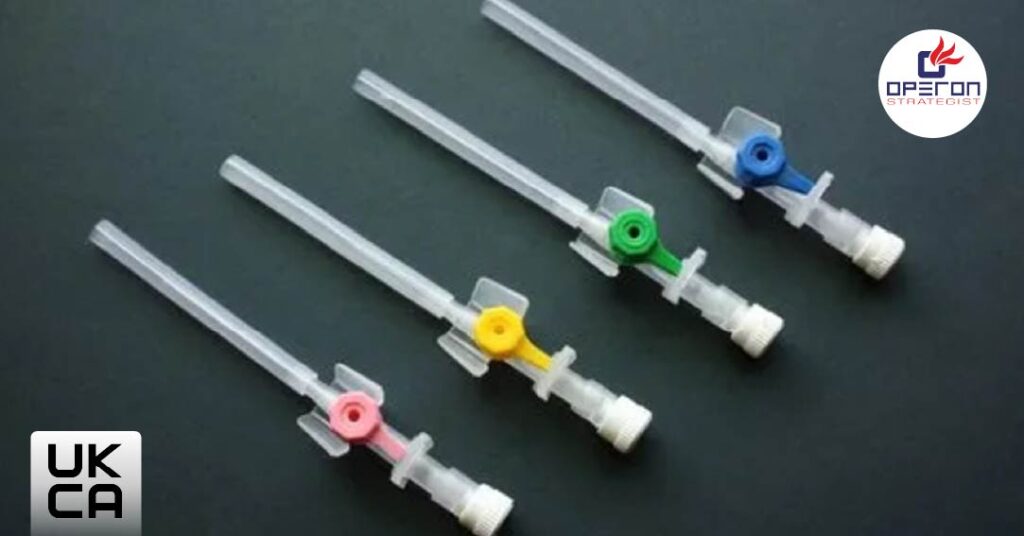
IV Cannula Manufacturing in the UK is a growing opportunity for medical device entrepreneurs, contract manufacturers, and global exporters. With rising demand from NHS hospitals, private clinics, and home healthcare providers, the UK market offers strong potential for companies that can meet regulatory, quality, and performance standards.
If you are planning to start or expand IV Cannula Manufacturing, this guide will walk you through market demand, regulatory requirements, manufacturing setup, and how to enter the UK medical device market successfully.
Understanding the UK Market for IV Cannulas
The United Kingdom has a well established healthcare system with consistent demand for intravenous access devices. IV cannulas are widely used in:
- Emergency care
- Surgical procedures
- Oncology treatments
- ICU settings
- Long term therapy and home care
Add Your Heading Text Here
The National Health Service purchases large volumes through structured procurement systems. Private hospitals and distribution networks also create additional demand. This makes IV Cannula Manufacturing a stable and scalable business in the UK.
However, entering the market requires strict compliance with medical device regulations.
Regulatory Framework for IV Cannula Manufacturing
In the UK, IV cannulas are classified as medical devices. After Brexit, the UK introduced its own regulatory system separate from the EU framework.
Key Regulatory Requirements
UKCA Marking
Manufacturers must obtain UKCA marking before placing IV cannulas on the Great Britain market.MHRA Registration
The device must be registered with the Medicines and Healthcare products Regulatory Agency, known as MHRA.Quality Management System
ISO 13485 certification is essential. It ensures your IV Cannula Manufacturing process follows international quality standards.Technical Documentation
You must prepare a complete technical file including:
- Device description
- Risk management file
- Clinical evaluation
- Biocompatibility testing
- Sterilization validation
- Packaging validation
- Shelf life studies
Failure to meet these requirements can delay market entry or result in penalties.
If you are a startup or overseas manufacturer, working with a regulatory consultant can reduce compliance risks and speed up approvals.
Setting Up an IV Cannula Manufacturing Facility in the UK
IV Cannula Manufacturing requires a controlled environment and validated processes. Here are the key components of your facility:
1. Clean Room Infrastructure
IV cannulas are invasive devices. Manufacturing must take place in a controlled clean room environment, typically ISO Class 7 or 8 depending on the process stage.
The facility must include:
- Air handling units with HEPA filtration
- Differential pressure monitoring
- Controlled temperature and humidity
- Clean room validation documentation
2. Machinery and Equipment
The manufacturing process includes:
- Injection molding machines for catheter hubs and components
- Catheter tubing extrusion machines
- Needle assembly machines
- Automatic assembly lines
- Sterilization systems such as EO sterilizers
- Packaging machines
Automation improves consistency and reduces contamination risk.
3. Raw Materials
High quality medical grade materials are critical. Common materials include:
- Medical grade polyurethane or FEP for catheters
- Stainless steel for needles
- Polypropylene for hubs
All raw materials must have proper certification and traceability records.
Manufacturing Process of IV Cannulas
To build a reliable IV Cannula Manufacturing operation, you need process validation at every stage.
Step 1: Component Manufacturing
Catheter tubing is extruded. Plastic components are injection molded.
Step 2: Needle Assembly
The stainless steel needle is ground, polished, and assembled into the hub.
Step 3: Cannula Assembly
The catheter is mounted onto the needle. Flashback chamber and caps are fitted.
Step 4: Testing
Each batch undergoes:
- Leak testing
- Flow rate testing
- Tensile strength testing
- Visual inspection
Step 5: Sterilization
Most IV cannulas are sterilized using ethylene oxide. Sterilization validation must follow ISO standards.
Step 6: Packaging and Labelling
Packaging must maintain sterility and include:
- CE or UKCA marking
- Lot number
- Expiry date
- Manufacturer details
Each stage must be validated and documented under your quality management system.
Quality and Risk Management in IV Cannula Manufacturing
Patient safety is critical. Poor quality IV cannulas can cause:
- Infection
- Vein irritation
- Leakage
- Device failure
To avoid these issues, manufacturers must implement:
- ISO 14971 risk management
- Process validation
- Supplier qualification
- Regular internal audits
- Post market surveillance
Maintaining proper documentation is essential for MHRA inspections.
Business Opportunity and Export Potential
The UK is not only a local market. It is also a gateway to global trade.
With proper certifications, UK based IV Cannula Manufacturing companies can export to:
- Middle East markets
- Africa
- Commonwealth countries
- Europe with CE marking compliance
Buyers prefer manufacturers with strong regulatory systems and validated processes.
If you are currently manufacturing in another country and planning UK entry, you may need:
- UK Responsible Person
- Updated labelling
- Technical file review
- UKCA transition planning
Strategic planning can help you avoid costly delays.
Why Expert Guidance Matters
Launching an IV Cannula Manufacturing unit is not just about buying machines. It requires:
- Facility planning
- Clean room design
- Equipment qualification
- Quality management implementation
- Regulatory submissions
- UKCA marking support
- MHRA registration
A structured approach reduces risk, shortens timelines, and protects your investment.
Whether you are a startup, an expanding medical device company, or an overseas manufacturer entering the UK, having a clear roadmap is essential.
Planning to Start IV Cannula Manufacturing in the UK?
If you are serious about entering the UK medical device market, now is the right time to act. Demand remains steady, but regulatory expectations are strict.
We help manufacturers with:
- Complete IV Cannula Manufacturing project setup
- Clean room guidance
- ISO 13485 implementation
- UKCA marking support
- Technical documentation preparation
- MHRA registration
- Sterilization validation
Our team works with startups and established companies across the UK and globally.
If you are planning IV Cannula Manufacturing, connect with us today for a consultation. Let us help you move from concept to compliant production with confidence