Plastic molding plays a central role in the production of disposable medical devices. From syringes and IV sets to diagnostic tools and catheter components, the majority of disposable medical devices used in UK hospitals and clinics are made using advanced plastic molding techniques. This process allows manufacturers to produce high-quality, sterile, cost-effective medical devices that meet regulatory standards and patient safety requirements.
Why Disposable Medical Devices Matter
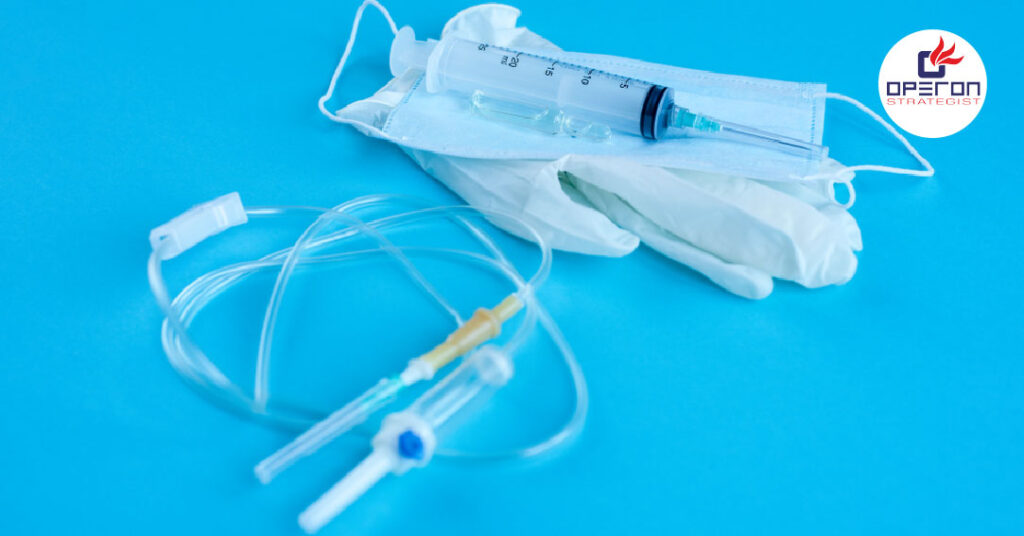
Disposable medical devices are designed for one-time use to reduce the risk of infection, cross-contamination, and ensure sterile performance. They are used widely in hospitals, laboratories, home care settings, and diagnostic centres.
Common examples include:
Add Your Heading Text Here
- Syringes
- Blood collection tubes
- Catheters
- IV sets
- Surgical gloves
- Diagnostic test kits
The increasing demand for safe, low-cost, and mass-produced devices has driven the growth of disposable medical devices across the UK and globally.
Plastic Molding in Disposable Medical Devices: An Overview
Plastic molding is a manufacturing process used to shape plastic into specific forms by melting and injecting it into pre-designed molds. The most widely used techniques in medical device manufacturing include:
- Injection Molding – Ideal for producing large volumes of small, precise components.
- Blow Molding – Used for hollow parts like bottles and containers.
- Extrusion Molding – Suitable for tubing and catheter production.
- Compression Molding – Applied for rubber-based parts and specific plastics.
Each technique has unique advantages depending on the device design, material choice, and end-use.
Key Advantages of Plastic Molding in Medical Device Manufacturing
1. High Precision and Repeatability
Medical devices demand tight tolerances and consistent quality. Plastic molding ensures high accuracy, even when producing millions of units. This is crucial for devices like syringes, where precision affects drug dosage and patient safety.
2. Cost-Effective Mass Production
Plastic molding is highly scalable. Once a mold is developed, manufacturers can produce a high volume of parts at a low cost per unit—making it the ideal choice for disposable medical device production.
3. Design Flexibility
From complex geometries to multi-part assemblies, plastic molding allows for innovative designs that meet specific clinical requirements. It supports various material types, including biocompatible and medical-grade plastics.
4. Material Efficiency
Modern molding systems minimize waste through efficient material use. This supports sustainability goals while reducing production costs.
5. Cleanroom Compatibility
Plastic molding lines can be integrated into cleanroom environments. This is essential for maintaining sterility and meeting UKCA and ISO 13485 regulatory requirements for medical device manufacturing in the UK.
Common Materials Used in Medical Device Molding
Medical-grade plastic materials must meet strict requirements for biocompatibility, chemical resistance, and sterilization compatibility. Some commonly used plastics include:
- Polypropylene (PP) – Lightweight, chemically resistant, and widely used in syringes.
- Polycarbonate (PC) – Transparent and strong, used in diagnostic devices and housings.
- Polyethylene (PE) – Flexible and soft, often used in tubing and catheters.
- PVC (Polyvinyl Chloride) – Used in blood bags and IV sets.
Material selection depends on device use, regulatory compliance, and sterilization method (ETO, gamma, or autoclave).
Regulatory Considerations for UK Manufacturers
If you are planning to manufacture disposable medical devices in the UK, it is essential to comply with the UK Medical Device Regulations (UK MDR). Devices must undergo conformity assessments and carry the UKCA marking to enter the UK market.
Additional regulations include:
- ISO 13485 – Quality Management System for medical device manufacturing.
- ISO 14644 – Cleanroom standard for production environments.
- Risk Management (ISO 14971) – Essential during the design and development process.
Plastic molding processes must be validated, documented, and integrated into your quality system to ensure consistent production and regulatory compliance.
Role of Plastic Molding in Product Development
Plastic molding isn’t just about production—it’s a key part of product design and development. Early collaboration between your design and molding teams can:
- Reduce time to market
- Minimize prototyping costs
- Improve device functionality
- Ensure compliance from the start
Choosing the right partner with experience in plastic molding for disposable medical devices makes a major difference in the success of your product.
How Operon Strategist Can Help?
Operon Strategist is a trusted medical device consulting firm with deep expertise in helping UK and global companies navigate the complexities of medical device manufacturing. We assist in:
- Setting up compliant plastic molding units for disposable medical devices
- Developing and validating manufacturing processes
- Building cleanroom facilities as per ISO 14644
- Achieving ISO 13485 certification
- Regulatory support for UKCA marking
- End-to-end turnkey projects for new medical device plants
Whether you’re starting from scratch or looking to scale an existing setup, we guide you through every step to ensure compliance, efficiency, and market readiness.
If you’re planning to launch or expand your disposable medical device manufacturing unit, partner with experts who understand the nuances of both production and compliance.
Contact Operon Strategist today to discuss your project and take the next step toward a successful, compliant, and profitable medical device business.