The global demand for surgical bandages continues to rise, driven by the increasing number of surgeries, chronic wounds, and trauma cases. For businesses in the UK looking to enter or expand in the wound care and surgical product market, surgical bandage manufacturing offers an excellent opportunity.
However, manufacturing surgical bandages is not just about producing sterile gauze. It involves strict compliance with UK regulations, choosing the right materials, implementing quality systems, and maintaining hygienic production environments. In this guide, we break down everything you need to know about surgical bandage manufacturing—from raw materials and production processes to compliance and market potential.
Why Invest in Surgical Bandage Manufacturing in the UK?
The UK healthcare system, both public (NHS) and private, has a steady demand for wound care and surgical consumables. Surgical bandages are essential in hospitals, clinics, care homes, military services, and home healthcare. With the UK government encouraging domestic manufacturing and regulatory independence post-Brexit, local production of medical consumables like bandages is strategically advantageous.
Start Your Manufacturing Journey
Contact Us!
Key Market Drivers:
- Rising surgical procedures due to aging population and chronic diseases.
- Dependence on imports of basic medical supplies.
- Government focus on healthcare resilience and local production.
- Growing demand for private-label and customized bandage products.
Types of Surgical Bandages in Demand
To succeed in the UK market, manufacturers must understand the types of surgical bandages that are widely used in medical settings:
- Gauze Bandages – for general wound care and surgical dressing.
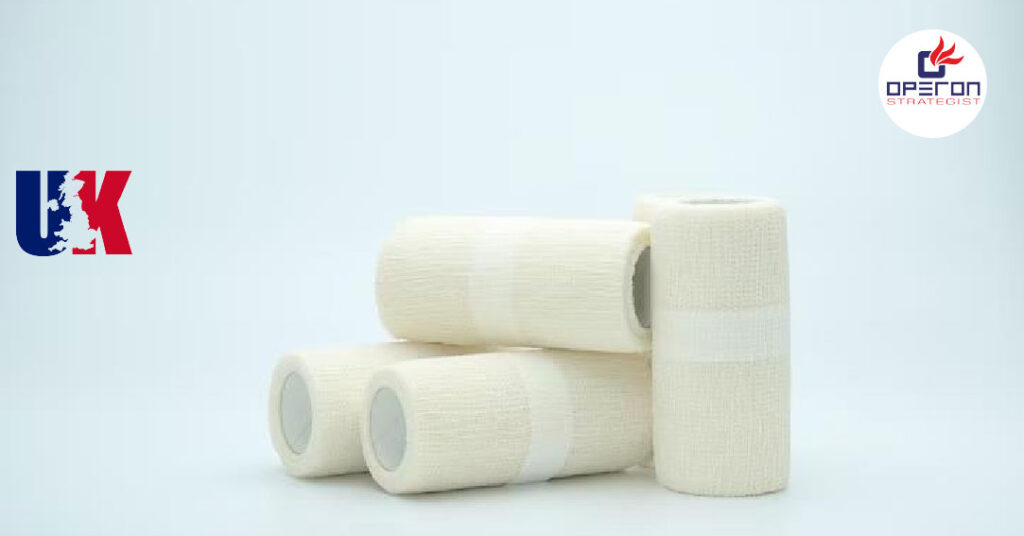
- Elastic Bandages – used for compression, support, and post-operative care.
- Adhesive Bandages – for minor wounds, cuts, and post-surgery applications.
- Triangular Bandages – for slings and immobilization.
- Crepe Bandages – often used in orthopaedic and post-operative care.
Offering a diversified product portfolio gives manufacturers a competitive edge and opens opportunities for contracts with healthcare providers and distributors.
Surgical Bandage Manufacturing Process
The manufacturing of surgical bandages involves multiple steps, each requiring precision, sterile conditions, and quality control. Here’s a high-level overview:
1. Material Selection
The primary materials used include:
- Cotton yarn or viscose for gauze and crepe
- Elastic threads for compression bandages
- Adhesive materials for sticking bandages
- Non-woven fabric for certain sterile bandages
Ensure raw materials meet BS EN ISO standards for medical textiles.
2. Weaving and Knitting
Gauze is typically woven in open mesh to allow air permeability. Elastic or crepe bandages are knitted or woven using specialized machinery for stretchability and durability.
3. Bleaching and Sterilization
Raw cotton gauze is bleached to remove impurities. It is then sterilized through gamma radiation, ETO (ethylene oxide), or steam sterilization to meet hygiene standards.
4. Cutting and Folding
After weaving, the material is cut into standard lengths and widths. Bandages are folded and rolled using automatic folding machines.
5. Packaging
Packaging is done in sterile environments using medical-grade packaging material. Single-use bandages are packed individually, often in blister or peel-open packs.
6. Labeling and Lot Traceability
Labels must include batch number, expiry date, manufacturing date, CE or UKCA marking, and usage instructions.
Compliance and Regulatory Requirements in the UK
Surgical bandages are classified as Class I or Class IIa medical devices under the UK Medical Device Regulations (UK MDR 2002). Here’s what manufacturers must comply with:
1. UKCA Marking
If you’re manufacturing surgical bandages in the UK, your products must carry the UKCA mark, indicating compliance with UK MDR. Until July 2025, CE marking is still accepted in some cases.
2. Quality Management System (QMS)
Implementing ISO 13485:2016 is essential for ensuring consistent product quality, traceability, and regulatory compliance.
3. Technical Documentation
Prepare comprehensive technical files including:
- Product specifications
- Risk analysis (as per ISO 14971)
- Sterility validation
- Clinical evaluation report (if applicable)
4. Registration with MHRA
Manufacturers must register their devices and company with the Medicines and Healthcare products Regulatory Agency (MHRA).
5. Sterilization Validation
Manufacturing must take place in a clean room environment, validated as per ISO 14644 standards. Sterilization processes must be validated and documented.
Infrastructure & Machinery for Surgical Bandage Manufacturing
Basic Setup Requirements:
- Clean room setup (Class 8 or ISO 100,000)
- Weaving/knitting machines
- Bleaching tanks and drying equipment
- Rolling and cutting machines
- Packing and sealing machines
- ETO or gamma sterilization chamber
- Labeling system with batch traceability
Depending on product range, automation level, and output targets, capital investment can vary. Starting with semi-automated units is a common approach for new entrants.
Challenges to Anticipate
At Operon Strategist, we support UK-based medical device startups and manufacturers in setting up surgical bandage manufacturing units from concept to compliance. Our services include:
- Manufacturing plant setup and layout
- ISO 13485 and UKCA marking implementation
- Technical documentation and MHRA registration
- Clean room validation and sterilization setup
- End-to-end turnkey project consulting
Whether you’re looking to expand your wound care product line or enter the surgical consumables market, our expert guidance ensures regulatory readiness and production efficiency.
Ready to get started with surgical bandage manufacturing in the UK?
📞 Schedule a Consultation
📩 Email us at enquiry@operonstrategist.com
Add Your Heading Text Here
Lorem ipsum dolor sit amet, consectetur adipiscing elit. Ut elit tellus, luctus nec ullamcorper mattis, pulvinar dapibus leo.
Add Your Heading Text Here
Lorem ipsum dolor sit amet, consectetur adipiscing elit. Ut elit tellus, luctus nec ullamcorper mattis, pulvinar dapibus leo.