
Drug Device Combination Products
Drug-Device Combination Products – FDA Guidance
A drug-device combination product integrates a drug, medical device, or biologic, or a mix of these components into a single product. A common example is a drug-eluting stent. The FDA regulates these based on the product’s Primary Mode of Action (PMOA) to determine the lead review center CDER, CDRH, or CBER. For companies in the Netherlands aiming to enter the U.S. market, understanding FDA’s classification and approval pathway is critical for compliance and market success.
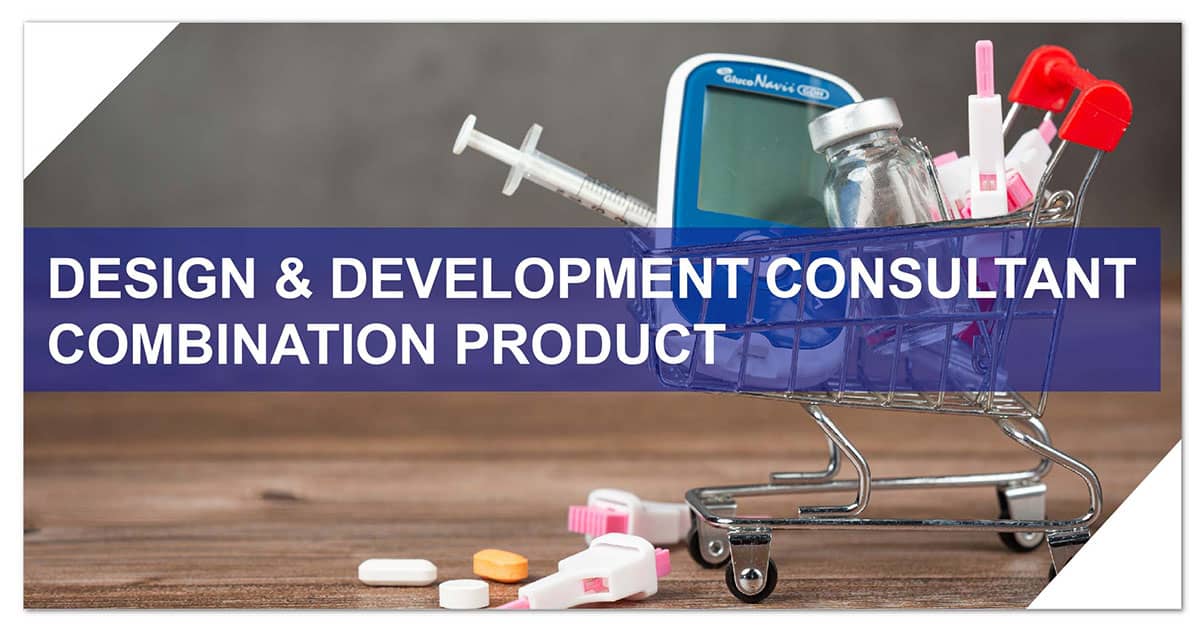
What Are Drug-Device Combination Products?
Drug-device combination products are innovative healthcare solutions that integrate a drug, medical device, or biologic or a combination of these into a single product or coordinated system. As defined under 21 CFR 3.2(e), they offer both therapeutic and diagnostic functions, improving clinical outcomes. A well-known example is the drug-eluting stent, which delivers medication while mechanically supporting blood vessels.
Types of Drug-Device Combination Products
The FDA classifies combination products into three main types:
- Single-Entity Products: Integrated drug-device units (e.g., drug-coated catheters, prefilled syringes).
- Co-Packaged Products: Drug and device packaged together (e.g., insulin vial with syringe).
- Cross-Labeled Products: Separate products designed for combined use (e.g., a drug paired with a specific delivery device).
What is Combination Products Project Development Process & Design Control?
The Combination Products Project Development Process involves the structured design, development, and regulatory planning of products that combine a drug, device, and/or biologic. These products must meet the regulatory requirements for both pharmaceuticals (21 CFR Parts 210 & 211) and medical devices (21 CFR Part 820).
Design control is a critical part of this process and includes:
- Compiling a Design History File (DHF) – documenting the entire development process
- Creating a Device Master Record (DMR) – used for production and technology transfer
- Maintaining a Device History Record (DHR) – proof of compliant manufacturing
- Establishing a Medical Device File as per ISO 13485:2016
The process ensures that quality, safety, and performance are consistently met. The level of design control depends on the complexity and intended use of the product. Regulatory consulting firms like Operon Strategist help manufacturers implement the necessary Quality Management System (QMS) to meet both device and drug compliance standards efficiently.
Drug-Device Combination (DDC) as per MDR for CE Marking
Under EU MDR 2017/745, integral drug-device combination (DDC) products are defined in Article 1(8) and 1(9). These are single products where a medical device is combined with a medicinal substance, and the device performs the primary function. For CE marking, DDCs require a Notified Body assessment for the device and regulatory consultation (e.g., with EMA) for the drug component to ensure full compliance with MDR.
Integral Drug-Device Combination Products (DDCs):
Integral DDCs are products in which the drug and the device are physically combined into a single unit that is not intended to be taken apart by the end user. These products are designed, manufactured, and intended to function as a unified system for the specific delivery or administration of a drug.
Examples of Medical Devices in Integral DDCs are:
- Devices for delivery to the site of action e.g. the dropper on the top of the container with eye drops the mouthpiece on the top of spray cans for throat sprays.
- Single-dose pre-filled syringes, pens and injectors.
- Multi-dose pens and injectors containing a pre-filled cartridge where the cartridge cannot be replaced, and the pen is not designed for subsequent use with a new cartridge.
- Drug-releasing intra-uterine devices; pre-assembled, non-reusable applicators for vaginal tablets.
- Dry powder inhalers that are assembled with the medicinal component and ready for use with single or multiple doses but cannot be refilled when all doses are taken.
- Implants containing medicinal products whose primary purpose is to release the medicinal product.
Non-Integral Drug-Device Combination Products (DDCs):
Non-integral DDCs consist of distinct, separable components such as a drug and a device that are either co-packaged or cross-labeled for use together. While the components are used as a system, they are not physically combined, and may be reusable or refillable.
Examples of medical devices in non-integral DDCs are:
- Oral administration devices (e.g. cups, spoons, syringes)
- Injection needles and filter needles
- Refillable pens and injectors (e.g. using cartridges).
- Reusable dry powder inhalers; spacers for inhalation sprays
- Pumps for medicinal product delivery
- Electronic tablet dispensers
Each Manufacturer of a Medical Device in UK or all over the globe Shall Establish and Maintain the Following Procedures
- Control the design of the device
- Ensure that specified design requirements are met
What is CAPA Management For Combination Products?
Corrective and Preventive Action (CAPA) Management for drug-device combination products is a systematic approach to identifying, investigating, correcting, and preventing quality issues throughout the product lifecycle. It ensures that combination products meet regulatory, design, and user requirements while maintaining consistent manufacturing reliability.
To ensure that devices meet a requirement of Combination Products
- Users’ needs and intended uses
- Requirements and Specifications
- The regulatory pathway for combination products
- Can be reproducibly and reliably manufactured, serviced and/or installed.
Tools for Archiving Purpose of Combination Products
- Establish design control procedures.
- Develop plans for Design Projects(Include interfaces between R&D and other units)
- Identify design inputs requirements and high-level specifications for the device
- Develop design outputs (to final specifications)
- Design Verification through measurement, analysis, test or inspection that all design outputs fulfil input requirements.
- Transfer outputs to production
- Design Validation that the device performs and functions as intended and as users need an expert.
- Control changes during design and development and to existing devices Document design activities in the design history file.
Why Choose Operon Strategist for Drug-Device Combination Products?
Operon Strategist is a trusted regulatory consulting partner specializing in drug-device combination products. We offer end-to-end support for product development, classification, and regulatory compliance. Our expertise covers all applicable GMP standards, including 21 CFR Part 210/211 (drugs), Part 820 (devices), and Part 4 (combination products). With a proven track record, we help manufacturers navigate complex regulatory requirements, from design and documentation to submission and lifecycle management.
Need Help With Drug-Device Combination Product Compliance?
FAQs
What is a drug-device combination product?
A drug-device combination product integrates a drug, medical device, or biologic—or a mix of these—into one product for combined therapeutic or diagnostic use.
Which regulations apply to combination products?
In the U.S., combination products are regulated under 21 CFR Part 4, alongside Part 210/211 for drugs and Part 820 for devices. In the EU, EU MDR 2017/745 applies for CE marking, with consultation from drug regulatory authorities.
What is the role of the Primary Mode of Action (PMOA)?
PMOA determines which regulatory pathway and lead authority (FDA’s CDER, CDRH, or CBER) will govern the approval process of the combination product.
Do combination products need CE marking?
Yes, integral drug-device combination products marketed in the EU must follow EU MDR requirements and undergo Notified Body assessment, with additional consultation for the drug component.
How does Operon Strategist help with DDC regulatory compliance?
Operon Strategist offers end-to-end regulatory consulting, including product classification, design control, GMP compliance, documentation, and regulatory submissions for global markets.