
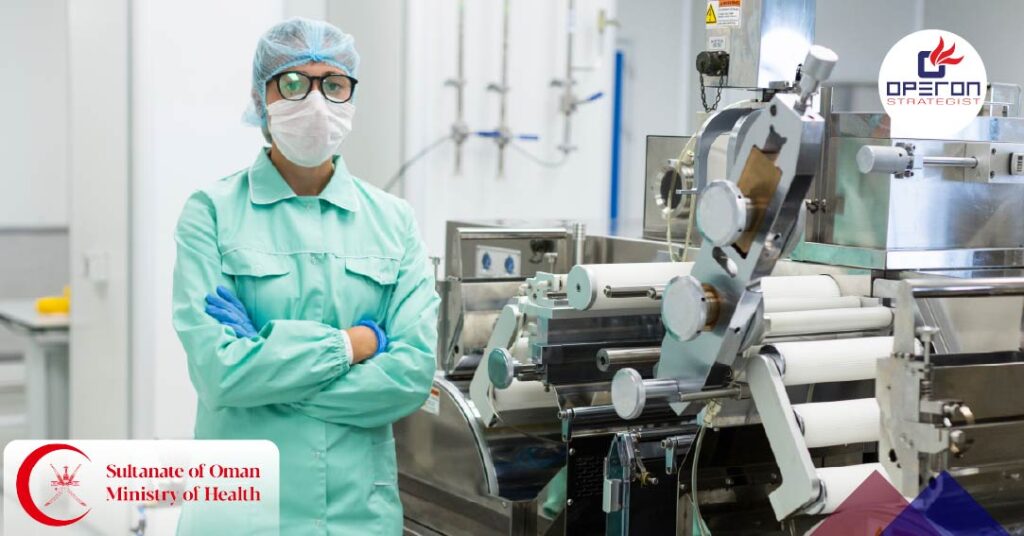
Introduction – Why Extrusion Molding Matters
Extrusion molding in medical device manufacturing is one of the most critical and efficient processes in the global healthcare supply chain. It’s the technology behind IV tubing, catheters, and breathing circuits — components essential for patient care and hospital efficiency.
In Oman, the medical device industry is growing rapidly under healthcare diversification plans. To ensure compliance and market entry, understanding extrusion molding and aligning with ISO 13485 quality requirements are key.
Looking for Medical Device Manufacturing Consultant
What is Extrusion Molding in Medical Device Manufacturing?
Extrusion molding in medical device manufacturing is a continuous process used to produce precise plastic profiles—typically tubes or sheaths—by melting and shaping medical-grade thermoplastic materials.
It ensures:
- Consistent inner and outer diameters
- High precision for multi-lumen or co-extruded designs
- Excellent scalability for mass production
This advanced process is ideal for manufacturing medical-grade tubing, catheters, drainage systems, and other flexible components needed in modern healthcare applications.
Step-by-Step Extrusion Process
| Stage | Description |
|---|---|
| 1. Material Selection | Choose medical-grade resins like PVC, PE, TPU, or PEEK. |
| 2. Feeding & Melting | Pellets are heated to form a molten polymer. |
| 3. Die Formation | The molten polymer is shaped into tubing through an extrusion die. |
| 4. Cooling & Sizing | Water baths and vacuum control fix the dimensions. |
| 5. Cutting & Inspection | Laser sensors verify the dimensions before cutting. |
| 6. Packaging & Documentation | Follow ISO 13485 traceability and documentation. |
Types of Extrusion in Medical Applications
- Single-lumen extrusion – For IV tubing.
- Multi-lumen extrusion – For catheters and diagnostic devices.
- Co-extrusion – Combines two or more polymers.
- Micro-extrusion – For ultra-thin tubing used in micro-surgical applications.
Quality Standards – ISO 13485 & ISO 80369
For any manufacturer in Oman, compliance with ISO 13485 is essential.
This standard ensures:
- Controlled environments (cleanrooms)
- Documented validation of processes
- Full product traceability
Additionally, ISO 80369 regulates small-bore connectors to prevent misconnection hazards — especially relevant for IV and respiratory tubing.
Common Products Made with Extrusion Molding
- Intravenous (IV) Tubes
- Catheters
- Suction and Drainage Tubes
- Feeding Tubes
- Oxygen Supply Tubes
- Diagnostic Tubing for IVD Devices
Challenges in Extrusion Molding for Medical Devices
| Challenge | Solution |
|---|---|
| Maintaining tight tolerances | Use closed-loop feedback control systems. |
| Biocompatibility of materials | Always use FDA or ISO-certified polymers. |
| Wall thickness variation | Optimize cooling rate and die pressure. |
| Documentation | Maintain Design History Files (DHF) as per ISO 13485. |
Regulatory Compliance for Oman Manufacturers
Oman’s Ministry of Health (MOH) requires all medical devices and components — including extruded tubing — to be listed or approved before import or manufacturing.
Key requirements include:
- Device classification as per GHTF framework
- Quality system certification (ISO 13485)
- Risk management documentation (ISO 14971)
- Local Authorized Representative (Oman-based)
Ready to Set Up Your Extrusion Molding Facility in Oman?
Why Choose Operon Strategist Oman
Operon Strategist is a global regulatory and project consulting company helping medical device manufacturers set up compliant facilities and obtain certifications worldwide, including support for extrusion molding in medical device manufacturing projects.
Our experts provide:
- Turnkey project support for extrusion molding facilities
- Documentation aligned with ISO 13485 and ISO 15378
- MOH registration and licensing assistance
- Staff training for cleanroom and validation procedures
FAQs
What polymers are commonly used in extrusion molding for medical devices?
PVC, PE, TPU, and PEEK are the most common medical-grade polymers.
Does Oman require ISO 13485 certification for manufacturers?
Yes, for manufacturing or importing medical tubing or devices, ISO 13485 certification is strongly recommended.
How is extrusion molding different from injection molding?
Extrusion produces continuous shapes (like tubing), while injection molding makes discrete parts (like connectors).