
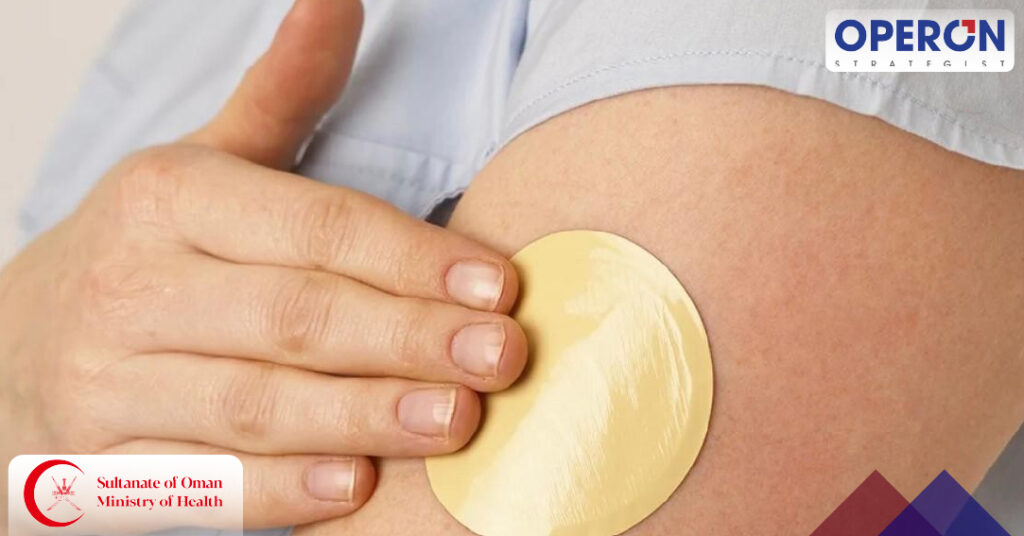
Introduction: Why Transdermal Patches Matter in Oman
Transdermal patches are emerging as one of the most advanced drug delivery systems in modern healthcare. These patches deliver therapeutic agents through the skin directly into the bloodstream, offering a non-invasive and controlled alternative to oral tablets or injections.
For manufacturers targeting the GCC region, Transdermal Patches Manufacturing in Oman presents a high-growth opportunity. With Oman’s expanding healthcare infrastructure and increasing demand for chronic disease management therapies (pain, cardiovascular conditions, hormone therapies, smoking cessation), local production and regulated imports are gaining momentum.
Looking for Medical Device Manufacturing Consultant
More importantly, transdermal patches are classified as drug-device combination products, making regulatory planning and manufacturing compliance critical for successful market entry in Oman and export markets.
What Are Transdermal Patches?
Transdermal patches are adhesive-based systems designed to deliver drugs systemically through the skin over a controlled period.
Structure of a Transdermal Patch
- Drug reservoir or matrix layer
- Adhesive layer
- Backing membrane
- Release liner
Types of Transdermal Patches
- Matrix patches – Drug dispersed in adhesive
- Reservoir patches – Drug contained in a separate compartment
- Multi-layer patches – Designed for controlled or staged release
Therapeutic Applications
- Nicotine replacement therapy
- Hormone replacement therapy (estrogen, testosterone)
- Pain management (e.g., fentanyl patches)
- Cardiovascular treatment (e.g., nitroglycerin)
The key advantages include:
- Controlled drug release
- Reduced dosing frequency
- Improved patient compliance
- Reduced gastrointestinal side effects
Regulatory Classification in Oman: Drug-Device Combination Products
Transdermal patches fall under combination product regulations because they contain both:
- A pharmaceutical component (drug)
- A medical device component (patch system)
In Oman, regulatory oversight is managed by the Directorate General of Pharmaceutical Affairs and Drug Control (DGPA&DC) under the Ministry of Health Oman.
How Oman Regulates Transdermal Patches
- Primary classification depends on Primary Mode of Action (PMOA)
- Most transdermal patches are regulated as medicinal products
- Device components must comply with relevant quality and safety standards
- Stability, biocompatibility, and labeling documentation are mandatory
For exporters, alignment with US and EU regulations strengthens Oman approval.
Global Regulatory Alignment for Export from Oman
If you plan to manufacture in Oman and export internationally, compliance with the following frameworks is essential:
United States
Regulated by the U.S. Food and Drug Administration under:
- 21 CFR Part 3 (Combination Products)
- 21 CFR 210/211 (Drug GMP)
- 21 CFR 820 (Device Quality System Regulation)
Europe
Regulated under:
- EU Medicinal Products Directive
- EU Medical Device Regulation (depending on PMOA)
India (for export collaboration)
Regulated by the Central Drugs Standard Control Organization (CDSCO) through case-based evaluation.
Omani manufacturers aiming for GCC, EU, or US exports must ensure dual compliance—both pharmaceutical GMP and medical device QMS standards.
Key Regulatory & Compliance Requirements in Oman
To successfully register and manufacture transdermal patches in Oman, manufacturers must address:
Design & Development Controls
- Design history file (DHF)
- Risk management (ISO 14971)
- Verification & validation documentation
GMP & QMS Compliance
- Pharmaceutical GMP compliance
- Medical device quality system alignment (ISO 13485 recommended)
Biocompatibility & Stability
- Skin-contact materials tested per ISO 10993
- Stability studies under GCC climatic conditions
Packaging & Labeling
- Arabic and English labeling requirements
- Tamper-evident packaging
- Clear dosage and storage instructions
Clinical & Bioequivalence Data
Required for:
- New molecules
- Modified release claims
- Novel adhesive technologies
Manufacturing Requirements for Transdermal Patches in Oman
Establishing a facility for Transdermal Patches Manufacturing in Oman requires proper infrastructure, GMP compliance, and validated production systems.
Cleanroom Standards
- ISO 8 (Class 100,000) or higher depending on process stage
- Controlled humidity & temperature
Core Manufacturing Processes
- Drug-polymer mixing
- Coating
- Drying
- Lamination
- Die-cutting
- Pouch packaging
Critical Validation Activities
- Coating uniformity validation
- Adhesion performance testing
- In-vitro drug release studies
- Stability validation
Oman’s strategic location and free-zone benefits make it ideal for CDMO and export-focused manufacturing models.
Planning to start Transdermal Patches Manufacturing in Oman?
How Operon Strategist Supports Transdermal Patch Manufacturing in Oman
Operon Strategist provides end-to-end consulting support for Transdermal Patches Manufacturing in Oman, including:
- Regulatory pathway planning for Oman, US, EU & India
- Combination product classification strategy
- ISO 13485 & GMP implementation
- Cleanroom design & facility layout consulting
- Technical file & dossier preparation
- Product registration support with Omani authorities
- Export compliance strategy
Whether you are:
- A startup establishing a new facility in Oman
- A pharmaceutical company expanding into drug-device combinations
- A GCC distributor planning private-label products
We help you navigate regulatory complexity with clarity and confidence.
FAQs
What is Transdermal Patches Manufacturing in Oman?
Transdermal Patches Manufacturing in Oman involves producing drug-device combination products that deliver medication through the skin into the bloodstream. These products require compliance with pharmaceutical GMP standards and medical device quality systems for regulatory approval.
Which authority regulates Transdermal Patches Manufacturing in Oman?
Transdermal patches in Oman are regulated by the Directorate General of Pharmaceutical Affairs and Drug Control under the Ministry of Health Oman. Classification depends on the product’s primary mode of action.
What GMP requirements apply to Transdermal Patches Manufacturing in Oman?
Manufacturers must comply with pharmaceutical GMP standards, ensure cleanroom-controlled production (ISO 8 or higher), validate coating and lamination processes, and conduct stability studies under GCC climatic conditions.
Can transdermal patches manufactured in Oman be exported to the US and EU?
Yes. Companies engaged in Transdermal Patches Manufacturing in Oman can export products if they comply with regulations from the U.S. Food and Drug Administration for the US and relevant EU medicinal product and MDR requirements for Europe.
What are the key validation steps in Transdermal Patches Manufacturing in Oman?
Critical validation steps include coating uniformity testing, adhesion performance testing, in-vitro drug release studies, and stability validation to ensure consistent therapeutic performance and regulatory compliance.