Ethiopian Regulation: Overview
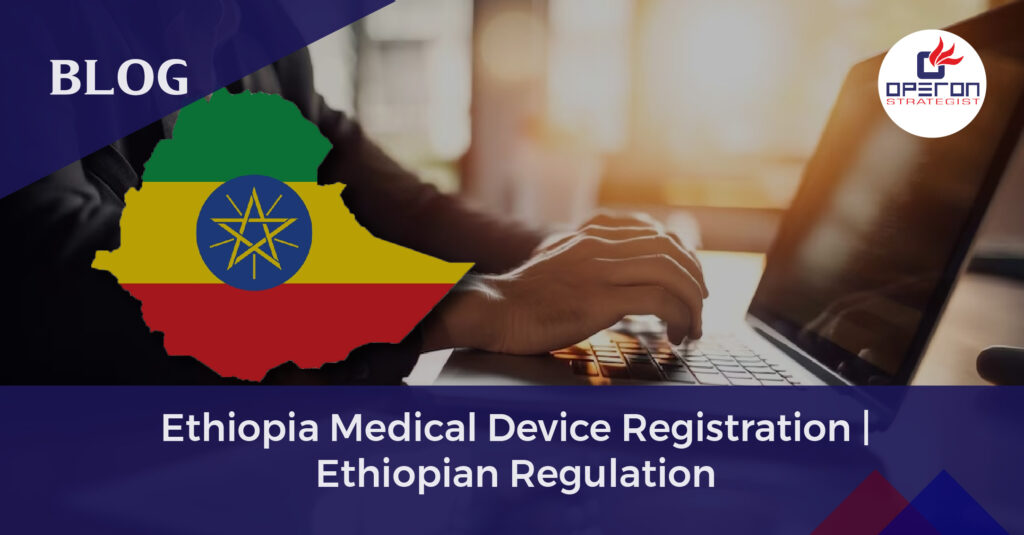
Ethiopia Medical Device Registration is regulated by the Ethiopian Food and Drug Authority (EFDA), which is responsible for ensuring the quality, safety, and effectiveness of medical devices before they are approved for import, manufacturing, and marketing.
Ethiopia, located in the Horn of Africa, is experiencing rapid urbanization and healthcare development. However, the country still faces major healthcare challenges such as:
- Communicable diseases
- Poor sanitation
- Malnutrition
- Limited access to clean water (affecting over 44 million people)
Looking For a Medical Device Regulatory Consultant?
These challenges, combined with a shortage of healthcare infrastructure and trained professionals, have created a significant demand for advanced medical devices, making Ethiopia a high-potential market for global manufacturers.
Definition of Medical Device as per EFDA
According to EFDA, a medical device refers to:
Any instrument, apparatus, machine, implant, reagent (IVD), software, or related article intended for use in humans for medical purposes.
Key Intended Uses Include:
- Diagnosis, prevention, monitoring, or treatment of disease
- Injury management and rehabilitation
- Support or replacement of anatomical functions
- Life support or sustaining functions
- Control of conception
- Disinfection of medical devices
- In-vitro diagnostic examination
These devices do not achieve their primary intended action through pharmacological or metabolic means, though they may support their function.
Ethiopia Medical Device Classification System
EFDA follows a risk-based classification system, ensuring regulatory requirements align with device risk.
1. General Medical Devices Classification
| Class | Risk Level |
|---|---|
| Class I | Low Risk |
| Class II | Low-Moderate Risk |
| Class III | Moderate-High Risk |
| Class IV | High Risk |
Classification Factors:
- Intended use
- Duration of use
- Level of invasiveness
- Whether device is life-supporting
- Energy delivery mechanism
2. IVD Medical Devices Classification
| Class | Risk Level |
|---|---|
| Class A | Low Risk |
| Class B | Moderate Risk |
| Class C | High Risk |
| Class D | Very High Risk |
Factors Considered:
- Public health impact
- Importance of diagnostic results
- User type (professional vs layperson)
Grouping of Medical Devices for Registration
For better application submission principles for the various categories of medical devices that can be bundled and submitted together, grouping criteria that applies to all medical devices and also device specific grouping is provided in two separate guidelines:
- Guidelines for general grouping of medical devices
- Guidelines for device specific grouping
Essential Principles of Safety and Performance
Manufacturers must demonstrate compliance with essential principles including:
- Device safety and performance
- Risk management
- Design and manufacturing controls
- Clinical evaluation (if required)
These principles ensure that the device performs as intended without compromising patient safety.
Conformity Assessment Requirements
Conformity assessment ensures that devices meet regulatory requirements throughout their lifecycle.
Key Elements Include:
- Quality Management System (QMS)
- Post-Market Surveillance (PMS) system
- Technical documentation
- Declaration of Conformity
- Registration of manufacturer and devices
Quality Management System (ISO 13485)
ISO 13485 is a mandatory standard for medical device manufacturers, covering:
- Design and development
- Manufacturing processes
- Quality assurance
- Risk management
It ensures consistency, traceability, and regulatory compliance.
Ethiopia Medical Device Registration Process
Step 1: Appointment of Local Representative
- Mandatory for foreign manufacturers
- Must have:
- Trade license
- EFDA certification
Step 2: Application Submission
- Submitted by the local representative
- Includes technical and administrative documents
Step 3: Screening (Stage I)
- Completeness check
- Eligibility verification
Step 4: Technical Assessment (Stage II)
- Detailed evaluation of:
- Safety
- Performance
- Documentation
Step 5: Marketing Authorization
- Issued upon successful evaluation
Registration of Medical Devices Approved by SRA
EFDA recognises status of product in countries with stringent regulatory authority (SRA). Purpose of this route of registration is to increase efficiencies and avoid duplication of effort and to reduce the time required to evaluate the products compliance with the EFDA’s requirements. EFDA recognises marketing authorization certificate or registration certificate or free sale certificate issued by either of the following:
- USFDA
- Ministry of Health, Labour and Welfare, Japan
- Therapeutic Goods Administration, Australia
- Health Science Authority, Singapore
- Competent Authorities from either of member states of European Union
- MHRA, UK
- Health Canada, Canada
- Ministry of Food and Drug Safety, South Korea
Furthermore, it also recognizes:
- Evidence for WHO prequalification
- Evidence for UNFPA prequalification
Exemption of Medical Devices from Registration
EFDA does not mandate the registration of medical devices which are to be used in following circumstances:
- Custom made & personal use devices
- Devices for national health emergency
- Investigational devices
- Devices for research, education and other non-clinical uses
Application Review and Marketing Authorization
All applications submitted for marketing authorization under Ethiopia Medical Device Registration follow a two-stage review process:
Stage 1: Screening
This stage ensures:
- Completeness of the application
- Eligibility for the selected approval pathway
Stage 2: Assessment
This stage includes:
- Detailed evaluation of administrative documents
- Technical review against applicable regulatory requirements
Upon successful review, if all submitted information is found complete and satisfactory, the Marketing Authorization Certificate is issued.
Time Frame for Device Registration
The typical approval timeline for Ethiopia Medical Device Registration is:
- 3 to 6 months for new registrations
- Similar timelines apply for modifications or changes to existing registrations
Applicant Requirement
- The application must be submitted by a Local Authorized Representative
Validity of License
- The medical device registration license in Ethiopia is valid for 5 years
Labelling and Documentation Language
For Ethiopia Medical Device Registration, all documentation and labelling must be provided in English. Medical devices across all classes should be properly labelled in accordance with the information and justification submitted in the registration dossier.
Labelling plays a critical role in communicating safety and performance-related information to healthcare professionals and patients, while also ensuring proper identification of the device. This information may be displayed on the device itself, its packaging, or accompanying documentation.
Ready to move forward with Ethiopia Medical Device Registration? Our experts are here to guide you.
How Operon Strategist Can Help You
Operon Strategist provides expert support for Ethiopia Medical Device Registration, ensuring full compliance with EFDA labelling and documentation requirements. Our team assists in preparing accurate labelling content, aligning documentation with regulatory guidelines, and minimizing approval delays.
In addition, we offer comprehensive services such as CE Marking for Medical Devices, ISO 13485 QMS Documentation, US FDA 510(k) Consulting, CDSCO Medical Device Registration, Medical Device Manufacturing Facility Setup, and Cleanroom Design & Validation, helping you achieve seamless global compliance and faster market entry.
FAQs
What is Ethiopia Medical Device Registration?
Ethiopia Medical Device Registration is the process of obtaining approval from EFDA to import, manufacture, or sell medical devices in Ethiopia.
Who regulates medical devices in Ethiopia?
Medical devices in Ethiopia are regulated by the Ethiopian Food and Drug Authority (EFDA).
What is the approval timeline for EFDA registration?
The approval timeline is typically 3 to 6 months, depending on the completeness of documentation.
Is a local representative required in Ethiopia?
Yes, appointing a local authorized representative is mandatory for foreign manufacturers.
What is the validity of a medical device license in Ethiopia?
The license is valid for 5 years from the date of approval.