
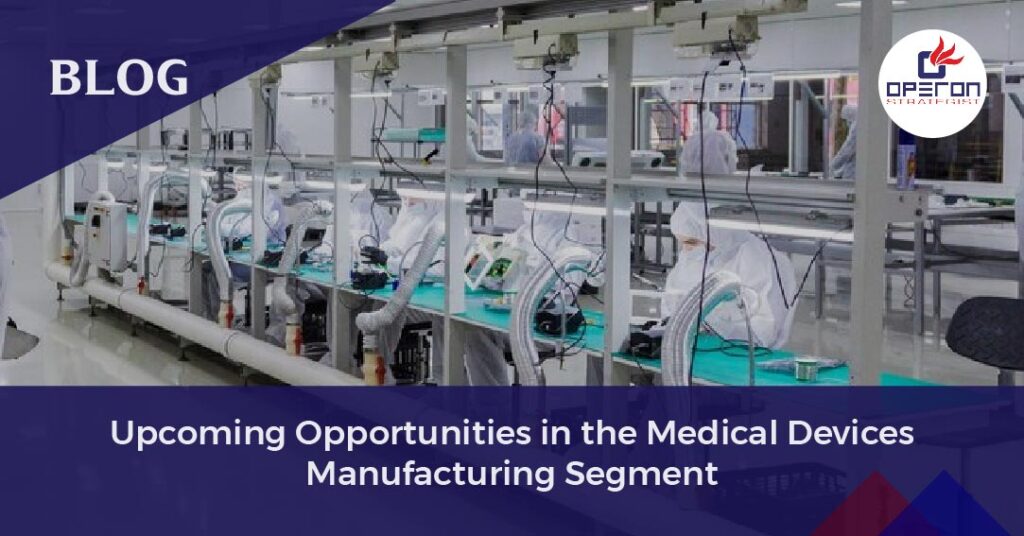
Opportunities in the Medical Devices Manufacturing Segment:
Medical devices include a wide range of products used to diagnose, monitor, and treat medical conditions. These products range from simple consumables to complex diagnostic and surgical equipment.
The industry continues to grow steadily. The global market is projected to reach around $955 billion by 2030, supported by increasing demand for minimally invasive treatments, remote monitoring, and advanced diagnostics.
Several factors are driving this growth:
- Increasing prevalence of chronic diseases
- Aging population worldwide
- Rapid development of medical technologies
- Growing demand for home healthcare devices
- Expansion of healthcare infrastructure in emerging economies
Looking For a Medical Device Regulatory Consultant?
Let’s have a word about your next project
For manufacturers, this environment offers multiple new business opportunities across various medical device segments.
1. Diagnostic Devices and In Vitro Diagnostics
Diagnostic devices represent one of the largest and fastest growing segments of the medical device industry.
In vitro diagnostic devices alone account for around 32 percent of global medical device demand, highlighting the importance of diagnostic technologies in healthcare systems.
Demand is increasing for devices that support:
- Early disease detection
- Rapid diagnostic testing
- Laboratory automation
- Molecular diagnostics
Examples of high demand diagnostic products include:
- Rapid diagnostic test kits
- Blood testing equipment
- Molecular diagnostic systems
- Point of care testing devices
The global shift toward preventive healthcare and faster diagnostics is expected to further expand this segment.
2. Wearable Medical Devices
Wearable medical devices are transforming healthcare by enabling continuous monitoring of patient health conditions.
This market is expanding rapidly due to the growth of digital health and remote patient monitoring. The wearable medical devices market is expected to grow from about $53 billion in 2025 to over $400 billion by 2034.
Examples include:
- Smart ECG monitors
- Continuous glucose monitors
- Wearable cardiac monitoring devices
- Smart inhalers
- Fitness and health tracking devices
Wearable technology allows healthcare providers to monitor patients remotely and detect health issues earlier, improving patient outcomes.
3. Minimally Invasive Surgical Devices
Minimally invasive surgery is becoming the preferred approach for many medical procedures because it reduces recovery time and lowers complications.
As a result, demand is increasing for advanced surgical devices such as:
- Endoscopic instruments
- Surgical robots
- Laparoscopic instruments
- Imaging-guided surgical tools
Hospitals and surgical centers are investing heavily in these technologies to improve surgical precision and patient safety.
4. Implantable Medical Devices
Implantable medical devices are widely used to treat chronic health conditions such as cardiovascular disease, orthopedic disorders, and neurological conditions.
The global implantable medical device market continues to grow steadily and is projected to reach about $176 billion by 2034.
Major implantable device categories include:
- Pacemakers
- Orthopedic implants
- Artificial joints
- Cochlear implants
- Neurostimulators
The growing elderly population worldwide is a major factor driving demand for implantable devices.
5. Smart and AI-Enabled Medical Devices
Artificial intelligence is rapidly transforming the medical device industry.
Many modern devices now integrate advanced technologies such as:
- Artificial intelligence
- machine learning
- cloud connectivity
- data analytics
Studies indicate that more than half of new medical devices incorporate smart technologies, enabling faster diagnosis and better clinical decision support.
Examples of AI-enabled devices include:
- AI diagnostic imaging systems
- automated pathology analysis tools
- intelligent patient monitoring systems
- digital therapeutics
The integration of AI and digital health technologies is expected to drive significant innovation in the coming years.
The global implantable medical device market continues to grow steadily and is projected to reach about $176 billion by 2034.
Major implantable device categories include:
- Pacemakers
- Orthopedic implants
- Artificial joints
- Cochlear implants
- Neurostimulators
The growing elderly population worldwide is a major factor driving demand for implantable devices.
Planning to Start a Medical Device Manufacturing Business?
Opportunities in Medical Device Contract Manufacturing
Many global medical device companies outsource manufacturing to specialized contract manufacturers.
This trend is increasing due to:
- cost optimization
- regulatory complexity
- need for specialized manufacturing capabilities
- faster product development cycles
Contract manufacturers provide services such as:
- device component manufacturing
- assembly and packaging
- sterilization
- regulatory compliance support
- quality management implementation
For new manufacturing companies, contract manufacturing represents a strong entry point into the medical device industry.
Emerging Technologies Creating Manufacturing Opportunities
Technological advancements are reshaping how medical devices are designed and manufactured.
Some of the most important emerging technologies include:
3D Printing in Medical Devices
3D printing allows manufacturers to create customized implants, surgical tools, and anatomical models with high precision.
This technology is improving product design flexibility and reducing production time.
Digital Health and Remote Monitoring
Healthcare providers are increasingly using connected medical devices to monitor patients outside hospitals.
This trend is driving demand for devices such as:
- remote patient monitoring systems
- home diagnostic equipment
- telehealth devices
Robotics in Healthcare
Robotic systems are increasingly used in surgical procedures and rehabilitation therapies.
These technologies require advanced medical device manufacturing capabilities.
Regional Opportunities in Medical Device Manufacturing
Medical device manufacturing opportunities vary across different regions of the world.
North America
North America remains the largest medical device market due to strong healthcare infrastructure, high R&D investment, and advanced regulatory systems.
The region accounts for around 40 percent of the global medical device market.
The United States is a major hub for:
- medical device innovation
- advanced research and development
- regulatory leadership
Europe
Europe has a strong medical technology ecosystem with leading manufacturers and research institutions.
The implementation of the Medical Device Regulation (MDR) is reshaping the regulatory environment and creating demand for regulatory consulting and compliance services.
Asia Pacific
Asia Pacific is the fastest growing region for medical device manufacturing.
Countries such as:
- China
- India
- Singapore
- South Korea
- Malaysia
are becoming important manufacturing hubs due to:
- lower manufacturing costs
- expanding healthcare markets
- supportive government policies
Many global companies are establishing production facilities in this region.
Key Drivers of Medical Device Industry Growth
Several macroeconomic and healthcare trends are fueling growth in the medical device manufacturing sector.
Rising Global Healthcare Demand
The increasing prevalence of chronic diseases such as diabetes, cardiovascular diseases, and cancer is driving demand for advanced medical technologies.
Aging Population
As the global population ages, the demand for medical devices used in diagnosis, monitoring, and treatment continues to rise.
Technological Innovation
Advances in artificial intelligence, robotics, and digital health are transforming medical technology.
Expansion of Healthcare Infrastructure
Many developing countries are investing heavily in hospitals, diagnostic centers, and healthcare facilities.
These investments create strong demand for medical devices.
Starting a Medical Device Manufacturing Business
Entering the medical device manufacturing industry requires careful planning and compliance with international regulatory requirements.
Key steps include:
- product concept development
- regulatory strategy planning
- manufacturing facility setup
- quality management system implementation
- regulatory approvals and certifications
Manufacturers must comply with international regulations such as:
- ISO 13485
- US FDA regulations
- CE marking for European markets
- country-specific regulatory approvals
Regulatory compliance plays a critical role in successfully launching medical devices in global markets.
Ready to Revolutionize Your Medical Device Manufacturing?
How Operon Strategist Supports Medical Device Manufacturers
Setting up a medical device manufacturing business involves complex regulatory, technical, and quality requirements.
Operon Strategist provides end-to-end consulting services for medical device companies, including:
- medical device regulatory approvals
- manufacturing facility planning
- ISO 13485 implementation
- CE marking and FDA support
- cleanroom design and validation
- technical documentation and regulatory submissions
Our experts help manufacturers successfully develop, manufacture, and commercialize medical devices in global markets.