
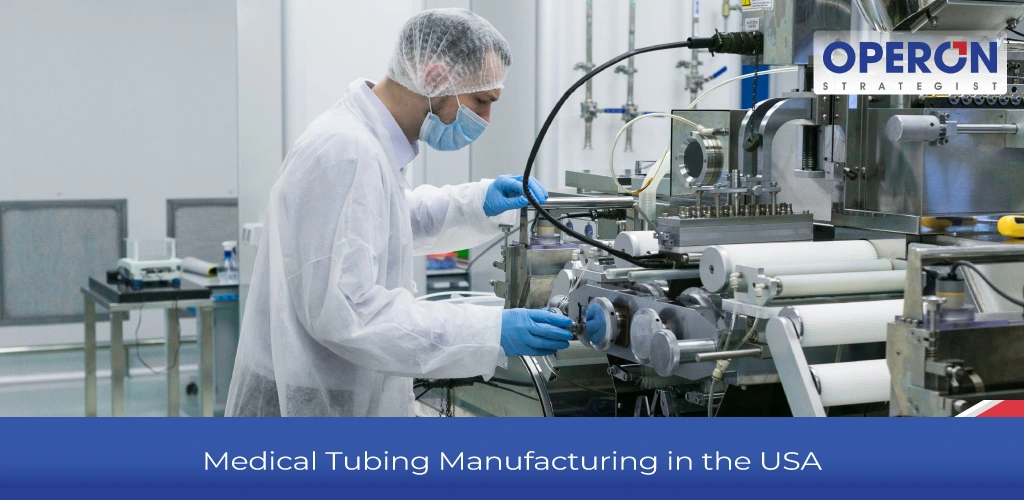
Medical Tubing Manufacturing in the USA
Medical tubing manufacturing plays a critical role in the healthcare and medical device industry. From IV sets and catheters to dialysis and surgical equipment, high-quality medical tubing is essential for patient safety and device performance. For manufacturers and startups looking to enter this market, understanding the process, compliance requirements, and business potential is the first step.
This guide walks you through the medical tubing manufacturing process, materials, regulatory aspects, and business opportunities—while showing how expert guidance can save you time and resources.
Get in touch with our consultants
Why Medical Tubing Manufacturing Matters
Medical tubing is used in a wide range of devices such as:
- Intravenous (IV) infusion sets
- Catheters
- Dialysis equipment
- Ventilators and respiratory devices
- Surgical instruments
With the growing demand for single-use and disposable devices, the global medical tubing market is expanding rapidly. For companies, this means strong opportunities—but also strict requirements for quality and regulatory compliance.
Step-by-Step Medical Tubing Manufacturing Process
The process of producing medical-grade tubing is complex. Every stage must meet ISO 13485 quality standards, FDA 21 CFR Part 820 requirements, and other regional regulations (CE marking in the EU, UKCA in the UK, CDSCO in India, etc.).
1. Material Selection
The choice of material depends on the intended use of the tubing. Common medical-grade materials include:
- PVC (Polyvinyl Chloride): Flexible and cost-effective, widely used for IV sets and catheters.
- Silicone: Biocompatible, heat resistant, often used in implants and surgical applications.
- PE (Polyethylene) and PP (Polypropylene): Lightweight, chemical resistant.
- Thermoplastic Elastomers (TPE): Flexible and recyclable alternatives.
Selecting FDA-approved or ISO 10993 biocompatible materials is critical.
2. Extrusion Process
Most medical tubing is produced using extrusion technology:
- Raw material pellets are fed into an extruder.
- The material is melted and forced through a die that shapes the tubing.
- Cooling tanks solidify the tubing.
- Precision pullers maintain accurate diameter and wall thickness.
Advanced extrusion allows single-lumen, multi-lumen, co-extrusion, and braided tubing depending on device needs.
3. Secondary Processing
After extrusion, tubing may undergo:
- Cutting and sizing
- Printing or marking for identification
- Flaring, tipping, or bonding
- Adding connectors or luer fittings
These processes make tubing functional and ready for integration into devices.
4. Sterilization and Packaging
Medical tubing must be sterilized before use. Common methods include:
- Ethylene Oxide (EtO) sterilization
- Gamma irradiation
- Autoclaving (steam) for high-temperature resistant materials
Packaging is designed to maintain sterility until use, often in clean room conditions.
Regulatory Requirements in the USA
For manufacturers targeting the US market, compliance with the FDA Quality System Regulation (21 CFR Part 820) is mandatory. Depending on the final product:
- Tubing sold as part of a device may require FDA 510(k) clearance.
- Manufacturers must implement a certified ISO 13485 Quality Management System.
- Biocompatibility testing, chemical characterization, and performance testing are often required.
For exports, meeting CE marking (Europe) and UKCA (United Kingdom) requirements may also be necessary.
Business Opportunities in Medical Tubing
The demand for single-use devices and advanced medical tubing is rising due to:
- Growth of chronic diseases
- Expansion of home healthcare
- Higher safety standards in hospitals
- Increasing demand for minimally invasive devices
Startups and established manufacturers can tap into:
- IV set and catheter production
- Specialized tubing for dialysis, endoscopy, or cardiovascular devices
- High-performance tubing for drug delivery and implantable devices
Challenges in Medical Tubing Manufacturing
- Complex global regulatory requirements
- Stringent quality control for biocompatibility and sterility
This is why partnering with an experienced medical device manufacturing consultant helps reduce risks and speed up market entry.
How We Can Help
At Operon Strategist, we specialize in medical tubing manufacturing projects and turnkey medical device facility setups. Our services include:
- Guidance on facility design and clean room classification
- Support with FDA 510(k), ISO 13485, CE, and other regulatory approvals
- Assistance with quality management systems (QMS) implementation
- Vendor selection for extrusion machinery and sterilization equipment
- End-to-end consulting for startups and established manufacturers
With years of experience helping medical device companies acro
ss the USA and globally, we can guide you from concept to compliance.
FAQ's
What is medical tubing used for?
Medical tubing is used to safely transport fluids, gases, and medications in healthcare settings. It is commonly found in IV sets, catheters, dialysis systems, respiratory equipment, blood collection devices, and minimally invasive surgical instruments.
What materials are used to manufacture medical tubing?
Medical tubing is manufactured using medical-grade materials such as PVC, silicone, polyurethane (PU), polyethylene (PE), polypropylene (PP), thermoplastic elastomers (TPE), and fluoropolymers like PTFE. The material is selected based on the application’s flexibility, durability, chemical resistance, and sterilization requirements.
What regulations apply to medical tubing manufacturing in the USA?
Medical tubing manufacturers in the USA must comply with FDA medical device regulations, Quality Management System (QMS) requirements, and applicable standards such as ISO 13485. Depending on the intended use of the tubing, additional testing and regulatory approvals may also be required.
Can medical tubing be custom manufactured?
Yes. Medical tubing can be customized to meet specific medical device requirements, including different diameters, wall thicknesses, lengths, multilumen designs, colors, and material formulations. Custom tubing helps manufacturers achieve optimal performance for specialized medical applications.