
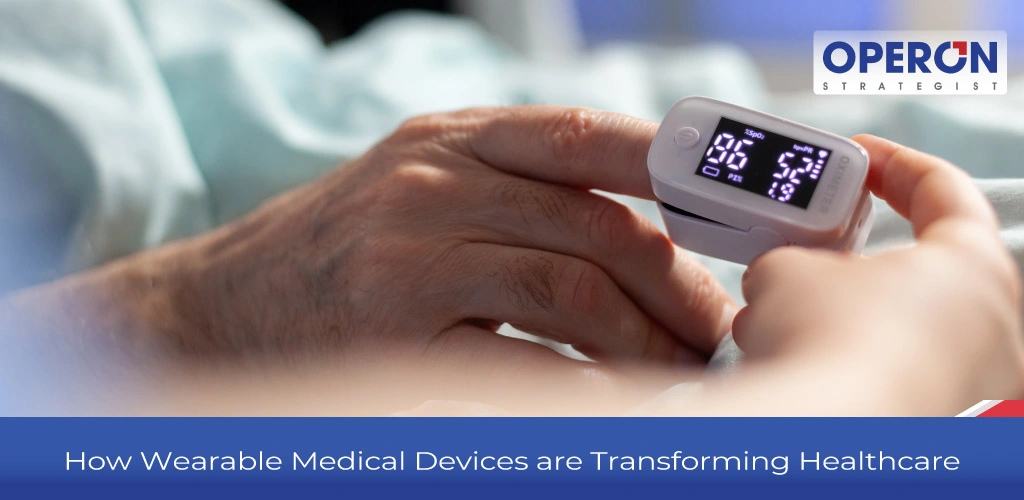
How Wearable Medical Devices are Transforming Healthcare
In today’s digitally connected world, wearable medical devices have evolved far beyond fitness trackers. These smart devices are revolutionizing healthcare by enabling real-time monitoring, chronic disease management, and remote care delivery. They are enhancing clinical decision-making, improving patient outcomes, and reducing overall healthcare costs.
For healthcare startups, medical device manufacturers, and developers in the USA, wearable medical technology represents a significant opportunity to lead in the rapidly expanding digital health sector.
What Are Wearable Medical Devices?
Wearable medical devices are smart electronic devices worn on the body that monitor, track, or assist in the treatment of medical conditions. These devices are often regulated by authorities such as the US Food and Drug Administration (FDA) and are designed for clinical or diagnostic use.
Expert Assistance from Operon Strategist
Common examples include:
- Continuous glucose monitors (CGMs)
- Wearable ECG monitors
- Smartwatches with SpO₂ and heart rate sensors
- Remote patient monitoring (RPM) devices
- Wearable defibrillators
- Patch-based biosensors or smart textiles
Market Growth and Demand in the USA
According to recent industry reports, the global wearable medical device market was valued at over USD 21 billion in 2022, with projections indicating a compound annual growth rate (CAGR) of more than 25% through 2030. The USA remains the largest market, driven by factors such as:
- An increasing geriatric population
- Rising prevalence of chronic diseases
- Shift toward value-based and home-based care
- Accelerated adoption of telehealth post-COVID-19
Key Benefits of Wearable Devices in Healthcare
- Remote Patient Monitoring (RPM): Wearable devices facilitate continuous remote monitoring of patients’ vital signs and health data. This enables healthcare providers to make informed decisions and intervene promptly when necessary, helping to reduce hospital readmissions and improve care outcomes—especially in cases of chronic illness or post-operative recovery.
- Chronic Disease Management: Patients managing conditions such as diabetes, hypertension, or cardiovascular diseases benefit from real-time feedback provided by wearable medical devices. These devices help in maintaining consistent data logs, improving adherence to treatment plans, and enabling healthcare professionals to tailor interventions effectively.
- Predictive Analytics and Early Diagnosis: Data collected from wearable devices, when combined with AI and machine learning, supports predictive healthcare models. Early warning signs of medical conditions can be detected, allowing timely diagnosis and preventive care strategies. For instance, an ECG monitor may detect early-stage arrhythmias, prompting further medical evaluation before a critical cardiac event occurs.
- Preventive Health and Lifestyle Tracking: In addition to clinical benefits, wearables encourage healthier behavior by tracking activity levels, sleep quality, and vital signs. This aligns with public health strategies focused on preventive healthcare, reducing the burden on hospitals and clinics.
- Emergency Intervention Capabilities: Wearable defibrillators can detect abnormal heart rhythms and automatically deliver life-saving shocks. These devices are vital for high-risk patients who may not qualify for implantable defibrillators but still require continuous protection.
Regulatory and Quality Requirements in the USA
Wearable medical devices intended for diagnostic or therapeutic use must comply with strict regulatory standards in the USA. Common regulatory pathways include:
- FDA 510(k) clearance for Class II devices
- De Novo classification for novel, low-to-moderate risk devices
- Premarket Approval (PMA) for high-risk devices (Class III)
In addition, manufacturers must implement a robust Quality Management System (QMS) that meets the requirements of 21 CFR Part 820 and ISO 13485:2016.
Failure to meet these standards can result in product recalls, delayed approvals, or legal liabilities—making regulatory planning and documentation critical for success.
Operon Strategist offers comprehensive support for FDA submissions, QMS implementation, and global regulatory compliance for wearable medical devices.
Schedule a Compliance Consultation
Ensure FDA QSR Compliance for German Manufacturers with Expert Guidance
The Future of Wearable Medical Devices
As technologies like AI, 5G, and IoT continue to evolve, wearable devices will become smaller, more intelligent, and seamlessly integrated into daily life. Future trends expected in the industry include:
- Smart clothing embedded with biosensors
- Non-invasive monitoring solutions (e.g., glucose tracking via sweat)
- Closed-loop therapeutic systems
- Real-time health analytics for personalized care
The convergence of digital health, personalized medicine, and remote monitoring is creating a new era in healthcare delivery. Innovation in wearable devices will play a critical role in this transformation.
Key Takeaways
Wearable medical devices are revolutionizing how healthcare is delivered, monitored, and personalized in the USA. These devices support early diagnosis, continuous monitoring, chronic disease management, and emergency response—empowering both patients and providers.
However, entering this market requires more than technological innovation. Strong regulatory strategies, clinical validation, and a compliant QMS framework are essential to ensure device safety, effectiveness, and market approval.
Expert Assistance from Operon Strategist
Operon Strategist provides end-to-end consulting services to support medical device innovators in the USA. Services include:
- FDA 510(k), De Novo, and PMA regulatory strategy
- ISO 13485 and 21 CFR Part 820 QMS setup
- Technical documentation and risk management
- Clinical evaluation and post-market support
For assistance with wearable medical device development and regulatory compliance, contact Operon Strategist. Expert consultants are ready to guide projects from concept to market launch.
Schedule a Compliance Consultation
Ensure FDA QSR Compliance for German Manufacturers with Expert Guidance
FAQ's
What are wearable medical devices?
Wearable medical devices are electronic devices designed to be worn on the body to monitor, diagnose, or manage health conditions. Common examples include smartwatches with ECG monitoring, continuous glucose monitors (CGMs), wearable ECG patches, pulse oximeters, and wearable blood pressure monitors.
How are wearable medical devices transforming healthcare?
Wearable medical devices enable continuous health monitoring, early disease detection, remote patient monitoring, and real-time data collection. They help healthcare providers make informed clinical decisions, improve patient outcomes, and support personalized treatment plans.
What regulations apply to wearable medical devices?
Wearable medical devices must comply with applicable regulatory requirements based on the target market, such as FDA regulations in the United States or the EU Medical Device Regulation (MDR) in Europe. Manufacturers are also expected to implement a Quality Management System (QMS) compliant with ISO 13485 and address cybersecurity and data privacy requirements where applicable.
What are the benefits of wearable medical devices for patients?
Wearable medical devices allow patients to track vital health parameters in real time, support early intervention, improve chronic disease management, reduce hospital visits, encourage preventive healthcare, and enhance communication between patients and healthcare providers.