Introduction
ECG Machine Manufacturing is a rapidly growing segment in the medical device industry, driven by increasing demand for cardiac monitoring and early diagnosis solutions. With the rise in cardiovascular diseases and expansion of healthcare infrastructure, manufacturers have a strong opportunity to enter this high-potential market.
However, starting ECG Machine Manufacturing requires a clear understanding of regulatory pathways, product design, quality systems, and compliance standards. In this guide, we will walk you through the complete process of setting up ECG machine manufacturing—from concept to market approval.
Looking For a Medical Device Regulatory Consultant?
What is an ECG Machine?
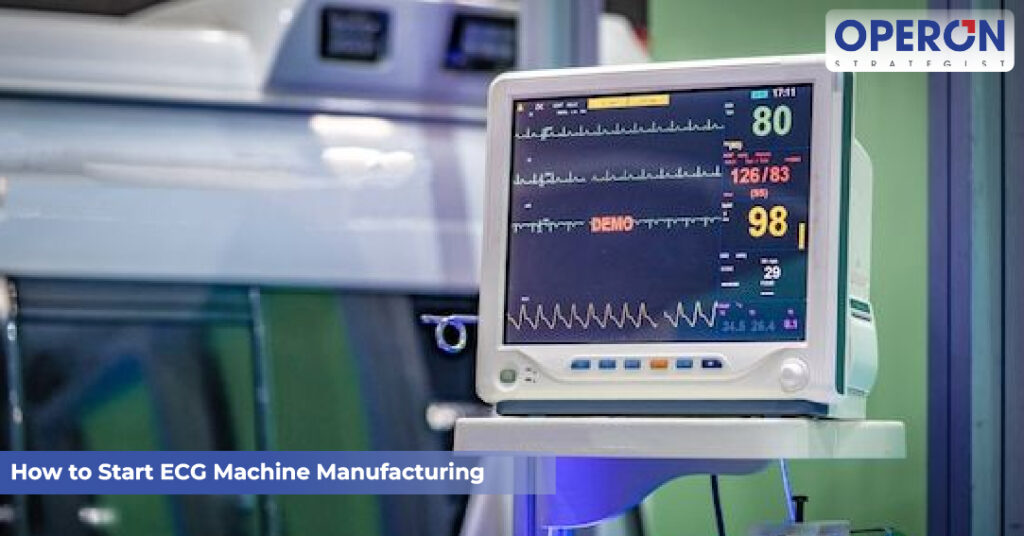
An ECG (Electrocardiogram) machine is a medical device used to record the electrical activity of the heart. It helps healthcare professionals diagnose conditions such as arrhythmias, heart attacks, and other cardiac abnormalities.
ECG machines can be:
- Resting ECG systems
- Portable ECG devices
- Wireless or AI-enabled ECG monitors
ECG Manufacturing Opportunity: Why It Matters
- Increasing global incidence of cardiac diseases
- Rising demand for portable and home-based diagnostics
- Government push for domestic manufacturing in India
- Growth of digital and connected healthcare devices
Step-by-Step Process to Start ECG Machine Manufacturing
1.Product Concept & Market Research
Before entering ECG Machine Manufacturing, identify:
- Target market (hospital, clinic, homecare)
- Product type (3-channel, 6-channel, 12-channel ECG)
- Competitor analysis and differentiation strategy
A well-defined concept helps streamline regulatory approval and product positioning.
2.Product Design & Development
Design and development must follow structured processes as per global regulations:
- Define product specifications
- Develop hardware and embedded software
- Perform design verification & validation
- Conduct usability and safety testing
Ensure compliance with:
- IEC 60601 (medical electrical equipment safety)
- ISO 14971 (risk management)
Critical point: Software validation is often underestimated and becomes a major approval bottleneck.
3.Regulatory Classification & Approval Pathways
ECG machines are generally classified as moderate-risk medical devices in most regions.
Key regulatory pathways include:
- USA: FDA 510(k) clearance
- Europe: CE Marking under EU MDR
- India: CDSCO registration
Each region requires technical documentation, safety testing, and quality system compliance.
4.Quality Management System (QMS) Implementation
Implementing a robust QMS is critical for ECG Machine Manufacturing.
Follow:
- ISO 13485 certification
- Document control and traceability
- CAPA (Corrective and Preventive Actions)
- Internal audits and compliance checks
A compliant QMS ensures smooth approvals and long-term operational success.
5.Manufacturing Facility Setup
To start ECG Machine Manufacturing, you need:
- Controlled production area
- ESD-safe environment for electronics
- Calibration and testing equipment
- Trained technical workforce
For certain components, cleanroom conditions may be required depending on design complexity.
6.ComponentSourcing & Supplier Qualification
Key components include:
- Electrodes and sensors
- Printed circuit boards (PCB)
- Display systems
- Software modules
Ensure suppliers meet:
- Quality standards
- Traceability requirements
- Regulatory compliance
7.Testing & Validation
Before market entry, ECG machines must undergo:
- Electrical safety testing
- Performance testing
- Software validation
- Biocompatibility (for patient-contact parts)
Testing ensures device safety, accuracy, and regulatory compliance.
8.Technical Documentation Preparation
Prepare a comprehensive technical file including:
- Device description
- Design and manufacturing details
- Risk management file
- Clinical evaluation data
- Labeling and IFU (Instructions for Use)
This documentation is essential for regulatory approvals.
9.Regulatory Submission & Approval
Submit your application to relevant authorities:
- FDA (510k submission)
- Notified Body (for CE Marking)
- CDSCO (India registration)
Approval timelines depend on documentation quality and compliance readiness.
10.Post-Market Surveillance & Compliance
After launching your ECG device:
- Monitor product performance
- Report adverse events
- Maintain vigilance system
- Conduct periodic audits
Post-market compliance is crucial for sustaining market presence.
Key Challenges in ECG Machine Manufacturing
Manufacturers often face:
- Regulatory delays
- Design validation issues
- Supplier quality problems
- Documentation gaps
Working with experienced consultants can help overcome these challenges efficiently.
Planning to start ECG Machine Manufacturing?
How Operon Strategist Can Help You
At Operon Strategist, we provide end-to-end support for ECG Machine Manufacturing, including:
- Product feasibility and planning
- Regulatory strategy (FDA, CE, CDSCO)
- QMS implementation (ISO 13485)
- Technical documentation preparation
- Manufacturing facility setup
FAQs
What certifications are required for ECG Machine Manufacturing?
ISO 13485 certification and regulatory approvals such as FDA 510(k), CE Marking, or CDSCO registration are typically required.
Is ECG machine a high-risk medical device?
No, ECG machines are usually classified as moderate-risk devices but still require strict regulatory compliance.
How long does it take to get approval for ECG machines?
Approval timelines vary depending on the region and quality of documentation submitted.
Do ECG machines require clinical evaluation?
Yes, clinical evaluation or performance data is required to demonstrate safety and effectiveness.
Can startups enter ECG Machine Manufacturing?
Yes, with proper regulatory strategy, technical expertise, and guidance, startups can successfully enter this market.