

Assistant Manager
Regulatory Affairs | 5.7+ Years of Experience
Did you know that Oman’s healthcare sector is rapidly growing, creating a demand for high-quality medical devices like disposable syringes? Oman’s medical device manufacturing industry presents lucrative opportunities for businesses looking to set up manufacturing units.
In this guide, we’ll explore:
- The manufacturing process of disposable syringes
- The raw materials required
- Regulatory compliance and approval process
- Challenges and how to overcome them
Understanding Disposable Syringes
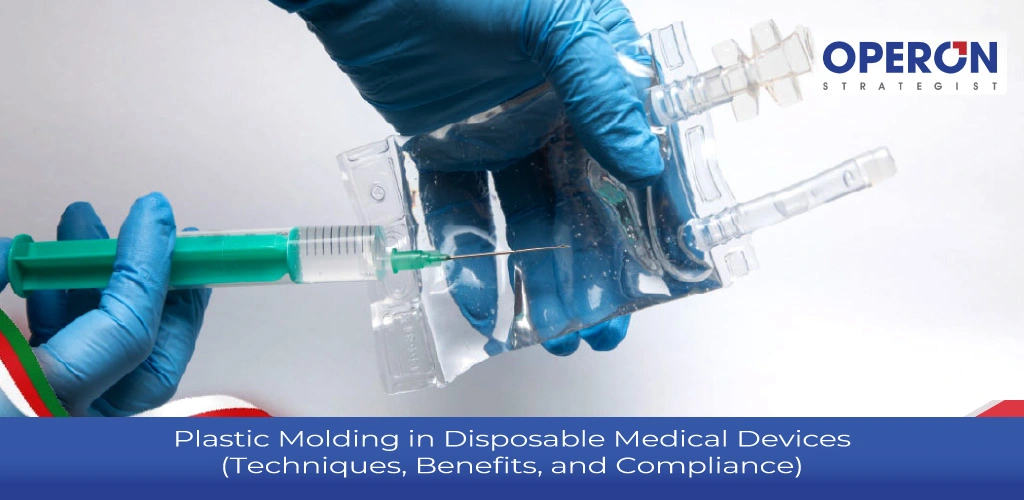
A disposable syringe is a single-use medical device used for injecting or withdrawing fluids. These syringes are widely used in:
- Hospitals & clinics
- Diagnostic labs
- Vaccination programs
- Home healthcare
Types of Disposable Syringes
- Luer Lock Syringes – Ensures a secure needle fit
- Luer Slip Syringes – Quick needle attachment
- Insulin Syringes – Used for diabetes care
- Safety Syringes – Prevent needle-stick injuries
The global disposable syringe market is growing at a CAGR of 5.6%, making it a profitable sector to invest in!
Raw Materials & Equipment Required
Raw Materials
- Polypropylene (PP) – For barrels and plungers
- Rubber Gaskets – Ensures a secure plunger seal
- Medical-Grade Lubricant – For smooth syringe operation
- Needles & Stainless-Steel Cannulas
Essential Machinery
- Injection Molding Machine
- Printing Machine
- Assembly Line
- Sterilization Chamber
Choosing high-quality raw materials improves product durability and compliance.
Regulatory Compliance in Oman
Manufacturers must comply with Oman’s Ministry of Health (MOH) regulations and international standards such as:
- ISO 13485:2016 – Quality Management System for medical devices
- ISO 10993 – Biocompatibility of medical devices
- GMP (Good Manufacturing Practices) compliance
- Import & Registration Requirements under Oman’s MOH
Regulatory approval is crucial for exporting syringes to international markets like the GB, EU, US, and more.
Challenges & Solutions
Challenges
- High Initial Investment – Machinery & facility setup costs
- Regulatory Hurdles – Compliance with MOH & international standards
- Competition – Competing with established global brands
Solutions
- Financial Planning & Grants – Government incentives for local manufacturers
- Regulatory Consultants – Hiring experts like Operon Strategist for regulatory guidance
- Advanced Technology – Investing in automated production for cost efficiency
Overcoming these challenges can make Oman a key player in the syringe manufacturing sector!
Conclusion
- Oman’s syringe manufacturing industry is a promising venture with a growing demand in the healthcare sector.
- Following regulatory guidelines ensures compliance and export opportunities.
- Investing in high-quality materials and advanced technology enhances competitiveness.
FAQ
What is the process for medical device registration in Oman?
The registration process generally includes determining the device classification, registering the manufacturer where applicable, preparing technical documentation, implementing an ISO 13485-compliant Quality Management System (QMS), submitting the product registration application to the Oman Ministry of Health (MOH), responding to any regulatory queries, and obtaining approval before marketing the medical device in Oman.
What documents are required for medical device registration in Oman?
Manufacturers typically need technical documentation, product specifications, labeling, Instructions for Use (IFU), ISO 13485 certification, ISO 14971 risk management documentation, manufacturer information, declarations of conformity where applicable, and other supporting documents required by the Oman Ministry of Health based on the device classification and intended use.
Is ISO 13485 required for medical device registration in Oman?
Although ISO 13485 certification may not be explicitly mandatory for every device, implementing an ISO 13485-compliant Quality Management System is widely recognized as an industry best practice and helps demonstrate that the manufacturer has established effective quality controls that support Oman MOH registration requirements.
How long does medical device registration take in Oman? Answer
The Oman Ministry of Health generally indicates a processing time of approximately 60 working days for manufacturer registration and medical device registration, provided the application is complete and no additional information is requested during the review process. Actual timelines may vary depending on the product type and regulatory review.