
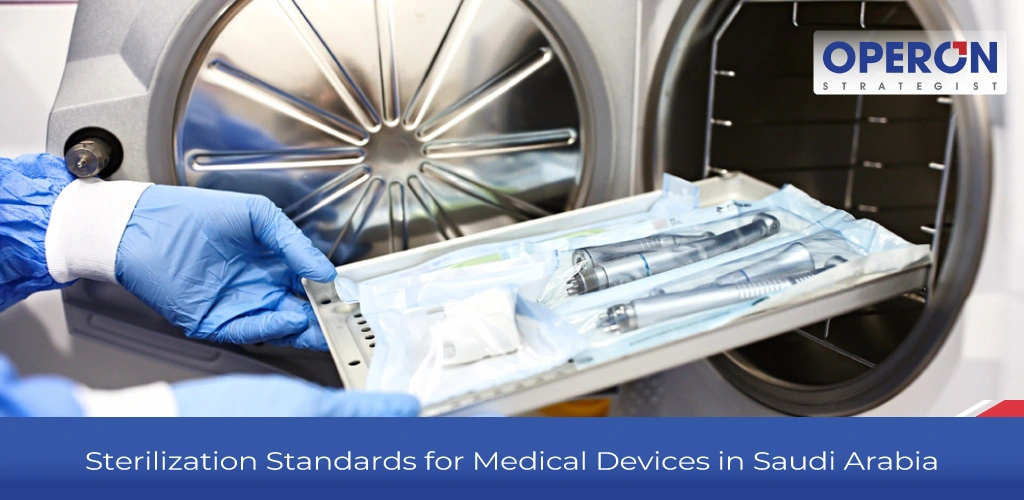
SFDA Sterilization Standards for Medical Devices: Saudi Arabia Regulatory Guide
Introduction to Sterilization Standards for Medical Devices
Sterilization is a critical step in ensuring the safety and effectiveness of medical devices before they reach healthcare facilities and patients. In Saudi Arabia, the Saudi Food and Drug Authority (SFDA) sets strict guidelines for sterilization to prevent the risk of infections and ensure compliance with international quality and safety benchmarks.
Whether you are a manufacturer, importer, or distributor, understanding these sterilization standards is crucial for obtaining SFDA approval and maintaining market access.
Talk to our Experts
Why Sterilization is Crucial for Medical Devices
Medical devices, particularly those that come in contact with sterile body sites or are invasive, must be free from viable microorganisms. Improper sterilization can lead to:
- Hospital-acquired infections
- Product recalls and regulatory penalties
- Loss of market reputation
SFDA Sterilization Standards & Requirements
The SFDA follows internationally recognized sterilization benchmarks such as ISO 11135, ISO 11137, and ISO 17665, depending on the method used. Below are the main sterilization standards in Saudi Arabia:
Sterilization Methods Recognized by SFDA
- Ethylene Oxide (EO) Sterilization – Suitable for heat-sensitive devices. Must follow ISO 11135 guidelines.
- Gamma Radiation Sterilization – Utilizes ISO 11137 standards, making it effective for pre-packaged devices.
- Steam Sterilization (Autoclaving) – Compliant with ISO 17665 for heat-resistant devices.
- Low Temperature Plasma Sterilization – For complex instruments sensitive to heat and moisture.
Validation & Documentation Requirements
- Manufacturers must:
- Provide validation reports for the chosen sterilization method.
- Submit batch release records and environmental monitoring data.
- Demonstrate compliance with ISO 13485 for quality management.
Labeling & Packaging Compliance
- Packaging must maintain sterility until point of use.
- Labels should indicate sterilization method, lot number, and expiry date.
- All information must meet SFDA labeling regulations.
Role of Operon Strategist in SFDA Sterilization Compliance
At Operon Strategist, we guide medical device manufacturers and distributors through every step of meeting SFDA sterilization requirements. Our support includes:
- Selecting the most suitable sterilization method as per SFDA guidelines.
- Preparing and reviewing sterilization validation documentation.
- Assisting in technical file compilation for SFDA submission.
- Ensuring ISO standard compliance for sterilization processes.
- Providing training & audit preparation for regulatory inspections.
With our expertise, your sterilization process will meet both SFDA and global regulatory standards, ensuring faster market entry and reduced compliance risks.
FAQ
What sterilization standards are recognized for medical devices in Saudi Arabia?
The SFDA recognizes internationally accepted sterilization standards for medical devices, including ISO 11135 for ethylene oxide sterilization, ISO 11137 for radiation sterilization, and ISO 17665 for moist heat (steam) sterilization. Manufacturers must validate their sterilization processes and demonstrate compliance with applicable standards.
Does SFDA require sterilization validation for sterile medical devices?
Yes. Manufacturers of sterile medical devices must validate their sterilization processes to demonstrate that they consistently achieve the required sterility assurance level. Validation, routine monitoring, and documented process controls are essential components of regulatory compliance.
What is ISO 11135 and when is it used?
ISO 11135 is the international standard for ethylene oxide (EO) sterilization of medical devices. It specifies requirements for the development, validation, and routine control of EO sterilization processes to ensure consistent and effective sterilization.
What is ISO 11137 for medical device sterilization?
ISO 11137 is the international standard covering radiation sterilization of medical devices. It defines requirements for developing, validating, and controlling radiation sterilization processes using technologies such as gamma radiation, electron beam, and X-ray sterilization.