
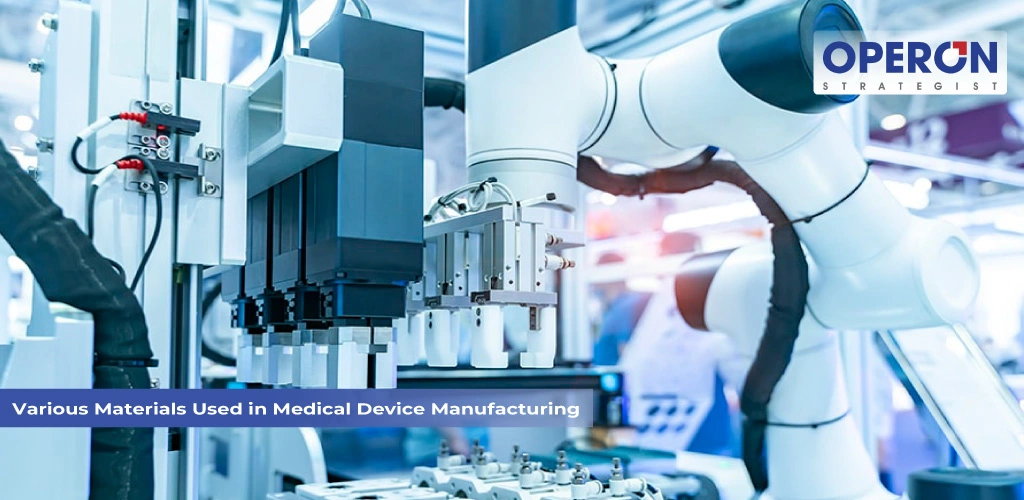
Various Materials Used in Medical Device Manufacturing
In the world of medical device manufacturing, choosing the right material is more than just a technical decision—it’s a matter of safety, performance, and patient outcomes. Each device, from syringes to surgical gowns, requires specific materials that offer:
- Biocompatibility
- Durability
- Sterility
- Regulatory compliance
Let’s dive into the materials behind the most widely used medical devices and understand how they contribute to modern healthcare.
Talk to our experts
Inside 11 Key Medical Devices: The Materials That Matter
Here’s a breakdown of commonly manufactured medical devices and the materials used in their production.
1. Materials Used In Syringe & Needle Manufacturing:
- Syringe: Polypropylene (PP), Thermoplastic Elastomer (TPE)
- Needle: Stainless Steel (Various Gauges)
Polypropylene (PP) is a popular plastic due to its durability and resistance to chemicals. It is often used in syringe barrels and plungers. Thermoplastic Elastomer (TPE) provides a flexible and comfortable grip, enhancing user experience. Stainless Steel needles, available in various gauges, offer strength and precision for injections.
Also, read Disposable Syringe Manufacturing Process and Machineries
2. Materials Used In Blood Collection Tube (BCT) Manufacturing:
- Tube: Polypropylene (PP), Low-Density Polyethylene (LDPE), Polyethylene Terephthalate (PET)
- Rubber Stopper: Isobutyl Rubber
Polypropylene (PP), LDPE, and PET are used for the tubes due to their clear visibility, chemical resistance, and durability. Isobutyl Rubber stoppers provide an airtight seal, preventing contamination and preserving sample integrity.
Chemicals:
- Clot Activator with Gel
- K2/K3 EDTA
- Sodium Citrate
- Sodium Fluoride
- Potassium Oxalate
- Lithium Heparin
- Sodium Heparin
These chemicals stabilize blood samples for various tests, ensuring accurate and reliable results.
Read about Blood Collection Tubes Manufacturing
3. Materials Used In IV Set Manufacturing:
- Components: Acrylonitrile Butadiene Styrene (ABS), Polyvinyl Chloride (PVC, DEHP-Free), Polypropylene (PP)
- Extruded Tube: PVC/Silicone Tube
- Needle: Stainless Steel (Various Gauges)
- Drip Chamber Filter: 15-micron Solution Filter
ABS and DEHP-Free PVC ensure safety and compatibility with various IV solutions. Silicone Tubes offer flexibility, while stainless steel needles ensure safe and effective delivery of fluids.
Related article – IV Set Manufacturing
4. Materials Used In 3-Way Stop Cock Manufacturing:
- Polypropylene (PP)
- High-Density Polyethylene (HDPE)
- Polycarbonate (PC)
These materials are chosen for their durability and ability to withstand the pressures of fluid management in medical settings.
Know About 3-Way Stop Cock Manufacturing
5. Materials Used In IV Cannula Manufacturing:
- Cannula: High-Density Polyethylene (HDPE), Polypropylene (PP), Linear Low-Density Polyethylene (LLDPE), Polyoxymethylene (POM)
- Catheter: Polyurethane (PU)/Teflon/PTFE (Polytetrafluoroethylene)
- Small Tube: Silicone Tube
- Needle: Stainless Steel (Various Gauges)
The combination of these materials provides flexibility, strength, and biocompatibility for effective intravenous access.
6. Materials Used In IVD Cassette Manufacturing:
- Cassette: High Impact Polystyrene (HIPS)/Acrylonitrile Butadiene Styrene (ABS)
- Test Strips/Rolls: Various Materials for Different Kits
HIPS and ABS offer robustness and clarity for diagnostic devices.
7. Materials Used In Blood Bag Manufacturing:
- Bag: Polyvinyl Chloride (PVC), High-Density Polyethylene (HDPE), Polypropylene (PP)
- Needle: Stainless Steel
- Rubber: Synthetic Rubber
These materials ensure safe storage and transfusion of blood.
Blood Bag Manufacturing – Regulatory Aspects
8. Materials Used In Gauze Bandage Manufacturing:
- Cotton Fabric
Cotton is chosen for its absorbency and softness, ideal for wound care.
Surgical Bandage Manufacturing
9. Materials Used In Gloves Manufacturing:
- Latex/Vinyl/Nitrile
Each material provides different levels of flexibility, comfort, and protection for medical procedures.
Read About How is Medical Glove Manufacturing Done?
10. Materials Used In Surgical Gown Manufacturing:
- Non-Woven Fabric
Non-woven fabric is lightweight, breathable, and provides an effective barrier against contaminants.
Know Everything About Disposable Medical Gowns
11. Materials Used In Urine Bag Manufacturing:
- Polyvinyl Chloride (PVC), Polypropylene (PP)
PVC and PP provide durability and flexibility for fluid collection.
Understanding the materials used in medical devices helps ensure the right choices are made for safety, efficacy, and comfort in healthcare applications.
Ensuring Quality & Innovation in Medical Device Materials
Choosing the right material is the foundation of product success in medical device manufacturing. But material selection is only part of the puzzle.
To ensure patient safety and global market entry, manufacturers must meet:
- ISO 13485 quality standards
- Cleanroom design & validation
- CDSCO, CE, or FDA regulatory requirements
How Operon Strategist Helps You ?
Operon Strategist is a leading medical device regulatory consultant, helping manufacturers across India and beyond with:
- Material selection consulting
- Device Master File (DMF) and Technical File preparation
- CE marking and FDA 510(k) clearance
- ISO 13485 implementation
- Sterilization and cleanroom validation
- End-to-end project setup for medical devices
FAQ
What materials are commonly used in medical device manufacturing?
Common materials used in medical device manufacturing include stainless steel, titanium, medical-grade plastics, silicone, ceramics, glass, and specialized polymers.
Why are biocompatible materials important in medical devices?
Biocompatible materials help ensure that medical devices do not cause harmful reactions when they come into contact with the human body.
Which metals are widely used in medical devices?
Metals such as stainless steel, titanium, cobalt-chromium alloys, and nitinol are commonly used due to their strength, corrosion resistance, and durability
What types of plastics are used in medical device manufacturing?
Medical-grade plastics such as polycarbonate, polyethylene, polypropylene, PVC, and PEEK are widely used for disposable and reusable medical devices.
Why is silicone used in medical devices?
Silicone is flexible, biocompatible, heat-resistant, and suitable for applications such as catheters, implants, tubing, and seals.