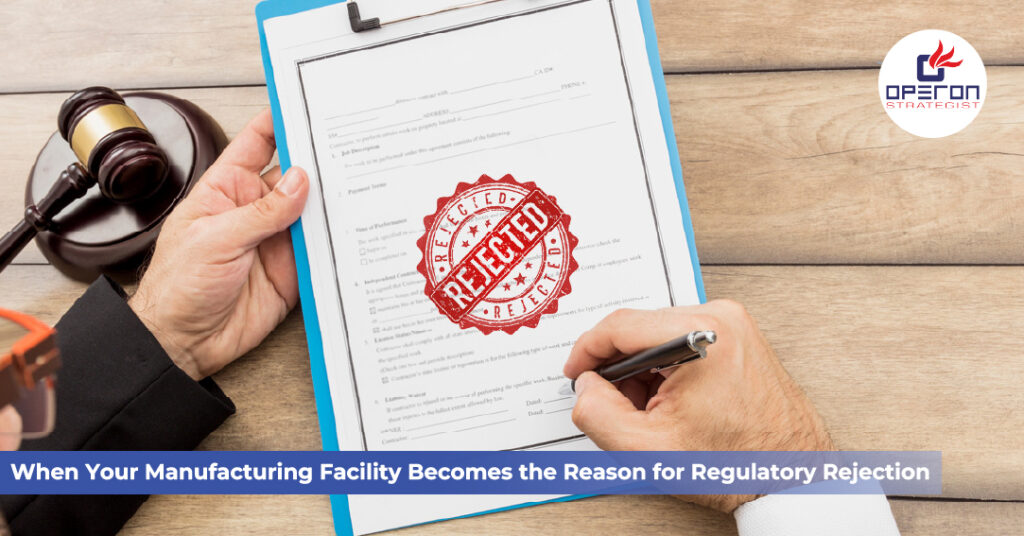
Most medical device companies blame rejection on the submission.
Regulators often blame the facility.
You can have a solid device, a clean technical file, and a well written submission. If your manufacturing facility does not meet regulatory expectations, approval can stop cold.
This is one of the most expensive lessons manufacturers, importers, and exporters learn too late.
Regulators do not approve documents alone
Across regions, FDA, EU, UK, India, and other authorities are clear on one point.
A medical device is only as compliant as the facility that makes it.
Planning approval or export to a new market?
Let’s have a word about your next project
Regulators look beyond your application and ask:
- Can this facility consistently produce a safe device
- Are processes controlled and repeatable
- Does the quality system actually work on the shop floor
If the answer is unclear, approval slows or fails.
Facility level gaps that trigger rejection
These are not rare edge cases. These are common findings that block approvals worldwide.
Weak quality system implementation
Having ISO 13485 or QMS procedures is not enough. Regulators look for:
- Procedures followed in practice
- Records that match real operations
- Clear ownership of quality activities
Paper systems with no execution are a major red flag.
Unvalidated or poorly controlled processes
Common problem areas:
- No validation for sterilization, molding, assembly, or packaging
- Inconsistent batch records
- No defined acceptance criteria
If a process affects safety or performance, regulators expect proof it works every time.
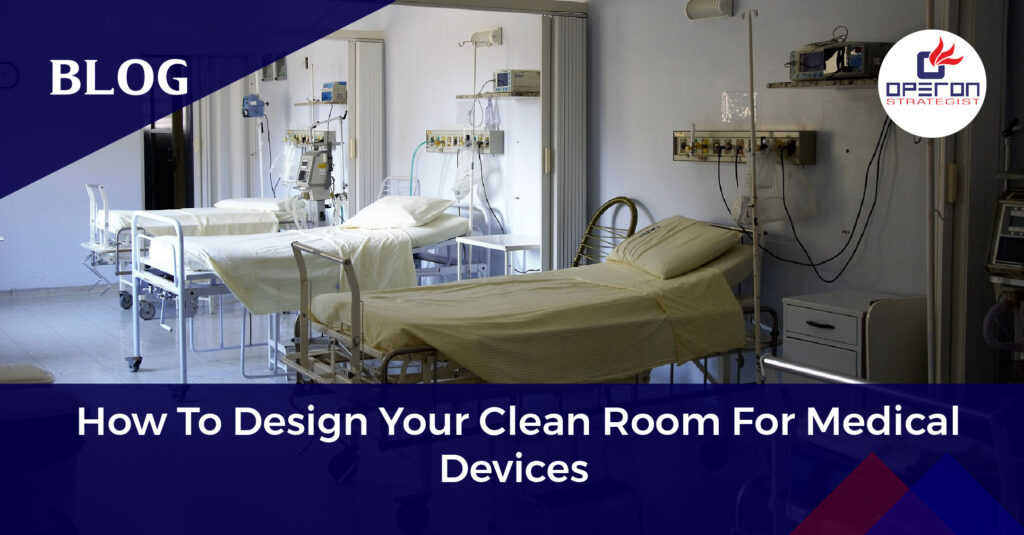
Inadequate cleanroom or environmental controls
This shows up often in inspections:
- No environmental monitoring trend data
- Poor gowning control
- Incomplete cleanroom qualification
Cleanroom claims without data invite deeper scrutiny.
Equipment and utilities not qualified
Regulators expect:
- Installation, operation, and performance qualification
- Calibration records tied to use
- Change control for equipment changes
Unqualified equipment weakens your entire manufacturing story.
Training records that do not match reality
Inspectors notice when:
- Operators cannot explain their tasks
- Training records are generic
- New processes lack updated training
This creates doubt about process control.
How facility issues surface during regulatory review
Facility problems do not always appear as a clear rejection letter. They surface in costly ways.
- Additional information requests that pause review
- Requests for on site inspection before approval
- Extended timelines without clear answers
- Import alerts or shipment holds for exporters
For importers and exporters, this can mean blocked borders, delayed launches, and damaged distributor trust.
Why companies discover facility problems too late
This happens across regions and company sizes.
- Facility setup is treated as a production task, not a regulatory one
- Submission teams work in isolation from manufacturing
- Consultants focus on documents, not operations
- Export plans ignore inspection readiness
By the time regulators look at the facility, fixing gaps is slow and expensive.
What regulators expect from a compliant manufacturing facility
Globally, expectations align more than companies think.
Regulators want to see:
- A quality system that matches actual workflows
- Defined manufacturing processes with validation
- Traceability from raw material to finished device
- Controlled suppliers and outsourced processes
- Evidence based decision making, not assumptions
Meeting these expectations early shortens approval timelines everywhere.
How to fix facility readiness before it blocks approval
The fix is not more paperwork. It is alignment.
Step 1. Map real manufacturing operations
Document what actually happens, not what procedures claim.
Step 2. Align QMS with the shop floor
Update procedures to reflect real processes and controls.
Step 3. Validate critical processes
Focus first on processes that impact safety and performance.
Step 4. Prepare for inspection, not just submission
Train teams to answer why and how, not just show documents.
This approach works across FDA, EU MDR, UKCA, CDSCO, and other regulatory systems.
Facing FDA regulatory challenges? Contact Us Today!
How Operon Strategist helps you avoid facility driven rejection
Operon Strategist works at the point where most approvals fail, the manufacturing facility.
We do not just review documents. We assess how your facility actually operates and align it with global regulatory expectations.
Our support includes:
- Manufacturing facility compliance gap assessment
- QMS implementation aligned with real shop floor processes
- Process validation and equipment qualification support
- Cleanroom readiness and environmental control guidance
- Pre inspection and pre approval readiness reviews
For manufacturers, we help build approval ready facilities.
For importers and exporters, we help prevent shipment blocks, inspection failures, and market delays.
The goal is simple, make sure your facility supports approval instead of becoming the reason for rejection.

- Operon Strategist
- Operon Strategist
- Operon Strategist
- Operon Strategist
- Operon Strategist