
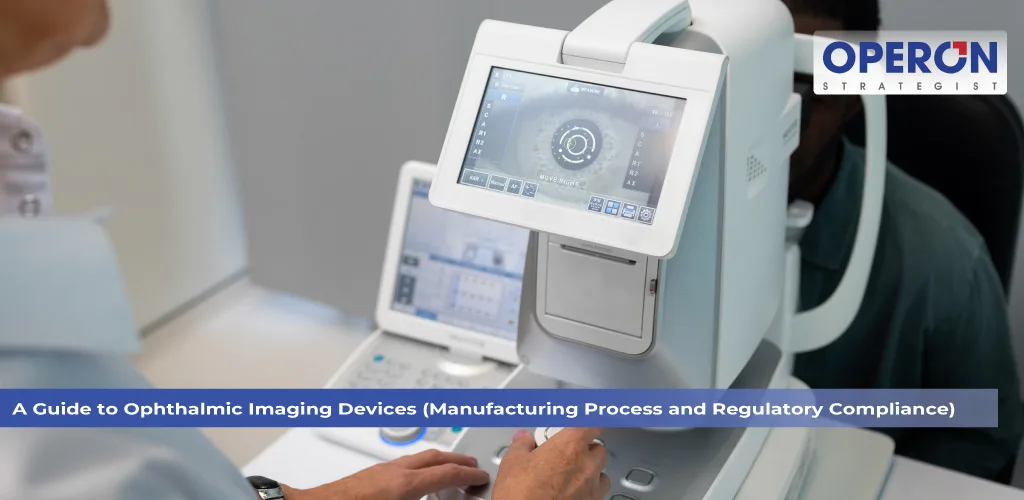
A Guide to Ophthalmic Imaging Devices: Manufacturing, Compliance & Regulatory Requirements
Introduction to Ophthalmic Imaging Devices
Ophthalmic imaging devices are essential technologies in modern eye care that enable healthcare professionals to diagnose, monitor, and manage a wide range of ocular conditions with high precision. These advanced devices capture detailed images of the eye’s internal and external structures, supporting early disease detection and effective treatment planning.
As the prevalence of eye-related disorders continues to increase globally, the demand for innovative ophthalmic imaging systems is rapidly growing. Conditions such as glaucoma, diabetic retinopathy, cataracts, and macular degeneration require accurate imaging solutions for timely intervention and improved patient outcomes.
However, manufacturing ophthalmic imaging devices requires more than technological innovation. Manufacturers must also comply with strict international regulatory standards to ensure product safety, performance, reliability, and global market acceptance.
This comprehensive guide explains ophthalmic imaging devices, their manufacturing process, global regulatory requirements, quality standards, and how Operon Strategist supports manufacturers with regulatory compliance and market entry strategies.
What Are Ophthalmic Imaging Devices?
Ophthalmic imaging devices are medical systems designed to capture high-resolution images of the eye for diagnostic and monitoring purposes.
These devices help eye care professionals:
- Detect eye diseases early
- Monitor disease progression
- Plan surgical procedures
- Improve treatment accuracy
- Enhance patient care outcomes
They are widely used in:
- Ophthalmology clinics
- Hospitals
- Eye care centers
- Surgical facilities
- Diagnostic laboratories
Importance of Ophthalmic Imaging Devices
Modern ophthalmology relies heavily on imaging technologies because they provide:
- Non-invasive eye examination
- Detailed visualization of ocular structures
- Early disease detection
- Accurate clinical assessments
- Better surgical guidance
These devices significantly improve diagnostic efficiency and patient safety.
Common Eye Conditions Diagnosed Using Imaging Devices
Ophthalmic imaging systems help diagnose and monitor:
- Glaucoma
- Diabetic retinopathy
- Macular degeneration
- Cataracts
- Retinal disorders
- Corneal abnormalities
- Optic nerve diseases
Popular Ophthalmic Imaging Devices
Several advanced ophthalmic imaging systems are commonly used in clinical practice.
- Intraoperative Optical Coherence Tomography (iOCT)
iOCT systems provide real-time imaging during ophthalmic surgeries, helping surgeons achieve greater precision and improved surgical outcomes. - Fundus Cameras
Fundus cameras capture detailed retinal images for disease diagnosis and documentation.
Examples include portable retinal imaging systems used in:Diabetic retinopathy screening
Retinal disease monitoring
Teleophthalmology applications
- Widefield Fundus Photography Systems
Widefield imaging devices provide extensive retinal visualization, enabling early detection of peripheral retinal disorders. - Ultra-Widefield Retinal Imaging Systems
These systems offer panoramic retinal scans for comprehensive ocular evaluation and disease management. - Ultrasound Biomicroscopy
Ultrasound biomicroscopy captures high-resolution images of the anterior eye segment and supports detailed ophthalmic assessments.
Manufacturing Process of Ophthalmic Imaging Devices
Manufacturing ophthalmic imaging devices involves highly controlled processes to ensure precision, reliability, and regulatory compliance.
Step 1: Product Design and Development
Manufacturers develop device designs based on:
- Intended clinical use
- Optical performance
- Imaging capabilities
- Ergonomic requirements
Research and development activities focus on:
- Image quality enhancement
- Diagnostic accuracy
- User interface optimization
Step 2: Component Selection
Key components include:
- Optical lenses
- Sensors
- Imaging modules
- Laser systems
- Electronic assemblies
- Software systems
Manufacturers must ensure all components meet medical-grade standards.
Step 3: Assembly and Integration
Precision assembly processes integrate:
- Optical systems
- Electronics
- Imaging software
- Mechanical structures
Strict environmental controls help minimize contamination risks.
Step 4: Calibration and Testing
Devices undergo extensive calibration and performance testing to verify:
- Image clarity
- Accuracy
- Stability
- Electrical safety
- Functional reliability
Step 5: Software Validation
Since many ophthalmic imaging systems rely on software, manufacturers must validate:
- Imaging algorithms
- Data processing functions
- Cybersecurity measures
- User interface functionality
Step 6: Quality Control and Inspection
Manufacturers conduct quality inspections to ensure compliance with:
- ISO standards
- Regulatory requirements
- Safety specifications
Regulatory Compliance for Ophthalmic Imaging Devices
Ophthalmic imaging devices are regulated globally to ensure patient safety and device effectiveness.
Manufacturers must comply with country-specific regulatory frameworks before commercialization.
- FDA Compliance in the United States
In the United States, ophthalmic imaging devices are regulated by the U.S. Food and Drug Administration.
Depending on the device classification, manufacturers may require:
FDA 510(k) clearance
Premarket Approval (PMA)
- FDA 510(k) Submission
The 510(k) pathway demonstrates that a new device is substantially equivalent to a legally marketed predicate device.
- Premarket Approval (PMA)
High-risk ophthalmic imaging devices may require PMA, which involves more extensive clinical and scientific evaluation.
- EU MDR and CE Marking
Manufacturers marketing devices in Europe must comply with:
EU MDR 2017/745
CE marking requirements
CE marking demonstrates compliance with:
Safety standards
Performance requirements
Risk management obligations
Also Read CE Marking for Ophthalmic Medical Devices.
- CDSCO Compliance in India
In India, ophthalmic imaging devices are regulated by the Central Drugs Standard Control Organization.
Manufacturers and importers must obtain appropriate:
Manufacturing licenses
Product registrations
- SFDA Compliance in Saudi Arabia
The Saudi Food and Drug Authority regulates medical devices in Saudi Arabia.
Manufacturers must comply with national registration and safety requirements.
Importance of Technical Documentation
Regulatory authorities require detailed technical documentation to support device approval.
Typical documentation includes:
- Device specifications
- Risk analysis
- Clinical evaluation reports
- Manufacturing details
- Performance testing
- Software validation records
- Labeling and instructions for use
Accurate documentation is critical for successful regulatory submissions.
Quality Management Systems (QMS) for Ophthalmic Devices
Manufacturers should establish strong quality management systems aligned with:
- ISO 13485
A compliant QMS ensures:
- Product consistency
- Traceability
- Risk management
- Regulatory readiness
Why Quality Control is Important
Quality control is essential because ophthalmic imaging devices directly impact:
- Clinical decision-making
- Diagnostic accuracy
- Patient safety
- Surgical outcomes
Effective quality systems help prevent:
- Product failures
- Regulatory non-compliance
- Patient risks
- Market recalls
Challenges in Regulatory Compliance
Manufacturers often face challenges such as:
- Complex global regulations
- Technical documentation requirements
- Software validation complexity
- Clinical evidence expectations
- International market variations
Professional consulting support helps reduce approval delays and compliance risks.
Why Choose Operon Strategist?
Operon Strategist is a trusted medical device regulatory consulting company specializing in ophthalmic medical device compliance and global regulatory support.
With extensive experience in international medical device regulations, Operon Strategist helps manufacturers streamline regulatory approvals and market entry.
How Operon Strategist Supports Ophthalmic Imaging Device Manufacturers
- Regulatory Consulting Services
FDA regulatory guidance
EU MDR compliance support
CDSCO registration assistance
SFDA compliance consulting
- Technical Documentation Support
Risk management files
Clinical evaluation reports
Device technical documentation
Software validation assistance
- Submission Assistance
FDA 510(k) submissions
PMA application support
CE marking documentation
CDSCO filing support
- Quality Management System Implementation
ISO 13485 implementation
SOP preparation
Internal audit support
Training programs
- Compliance Strategy Development
Market entry planning
Regulatory gap assessments
Product classification analysis
Need assistance with FDA 510(k), CE marking, or CDSCO registration for ophthalmic devices? Connect with Operon Strategist today.
Benefits of Partnering with Operon Strategist
Manufacturers benefit from:
- Faster approval timelines
- Reduced compliance risks
- Expert regulatory guidance
- Improved documentation quality
- Global market readiness
Conclusion
Ophthalmic imaging devices are transforming modern eye care by enabling accurate diagnosis, early disease detection, and improved treatment outcomes.
However, successful commercialization requires manufacturers to comply with strict international regulatory standards, including:
Manufacturers must establish robust quality systems, prepare detailed technical documentation, and maintain ongoing regulatory compliance.
Operon Strategist provides end-to-end regulatory consulting support for ophthalmic imaging device manufacturers, helping companies navigate complex compliance requirements and accelerate global market access.
FAQs on Ophthalmic Imaging Devices
What are ophthalmic imaging devices?
Ophthalmic imaging devices are medical systems used to capture detailed images of the eye for diagnosis and monitoring of ocular diseases.
What conditions can ophthalmic imaging devices detect?
These devices help detect:
- Glaucoma
- Diabetic retinopathy
- Macular degeneration
- Retinal disorders
- Corneal abnormalities
What is the manufacturing process of ophthalmic imaging devices?
The process typically includes:
- Product design
- Component selection
- Assembly
- Calibration
- Software validation
- Quality control
Why is quality control important in ophthalmic device manufacturing?
Quality control ensures device safety, accuracy, reliability, and regulatory compliance.
Which regulations apply to ophthalmic imaging devices?
Common regulatory frameworks include:
- FDA 510(k)
- EU MDR
- CDSCO
- SFDA
Is ISO 13485 required for ophthalmic device manufacturers?
ISO 13485 is strongly recommended for establishing compliant quality management systems.
How does Operon Strategist help with compliance?
Operon Strategist supports manufacturers with regulatory consulting, technical documentation, FDA submissions, CE marking, CDSCO approvals, and ISO 13485 implementation.