
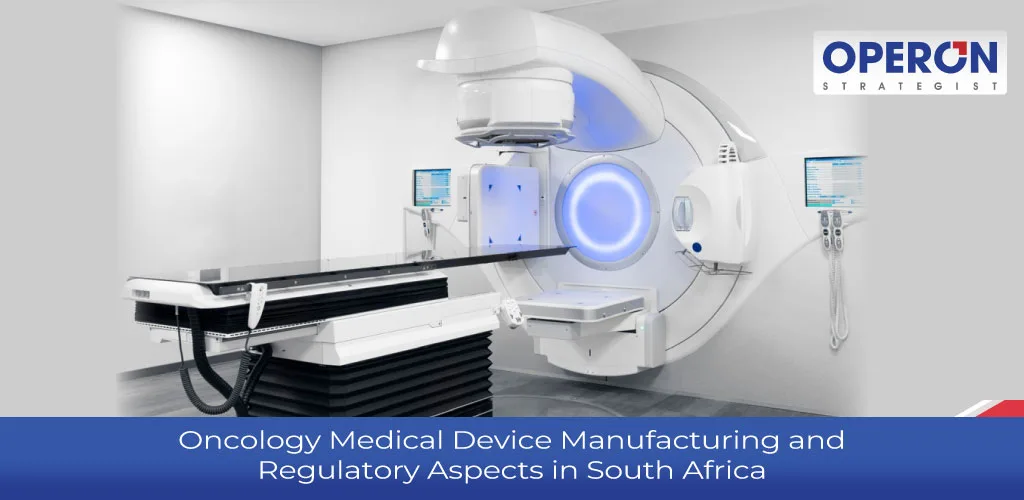
Oncology Medical Device Manufacturing and Regulatory Aspects in South Africa
Introduction to Oncology Medical Device Manufacturing
The global rise in cancer incidence has significantly increased the demand for advanced oncology medical devices such as radiotherapy systems, diagnostic imaging equipment, infusion pumps, implantable devices, and in vitro diagnostics (IVDs). In South Africa, the oncology medical device market is expanding steadily, driven by improved healthcare infrastructure, public–private partnerships, and growing awareness of the importance of early cancer detection and treatment.
However, manufacturing and commercializing oncology medical devices in South Africa requires strict compliance with regulatory frameworks governed by the South African Health Products Regulatory Authority (SAHPRA). Understanding both manufacturing best practices and regulatory expectations is critical for successful market entry and long-term sustainability.
Looking for Medical Device Manufacturing Consultant
Oncology Medical Device Manufacturing: Key Considerations
Manufacturers must implement a robust ISO 13485–compliant Quality Management System to ensure product safety, performance, and consistency. For oncology devices, where patient risk levels are often high, stringent quality controls are non-negotiable.
- Design & Risk Management
Oncology devices typically fall under medium to high-risk classifications. Manufacturers must follow:
- ISO 14971 risk management principles
- Clinical performance and safety evaluations
- Usability and human factors engineering
These steps ensure that devices perform effectively while minimizing patient and operator risk.
- Manufacturing Controls & Validation
Manufacturing processes must be validated to ensure repeatability and compliance. This includes:
- Process validation
- Sterilization validation (where applicable)
- Software validation for digital oncology systems
Regulatory Framework for Oncology Medical Devices in South Africa
SAHPRA Medical Device Regulations
SAHPRA regulates medical devices under the Medicines and Related Substances Act, aligning closely with international standards such as GHTF and IMDRF. Key regulatory requirements include:
- Medical Device Registration with SAHPRA
- Device classification (Class A to D)
- Submission of technical documentation
- Clinical evidence and performance data
- Appointment of a South African Authorized Representative (for foreign manufacturers)
Oncology Device Classification
Most oncology medical devices are classified as Class C or Class D, requiring detailed technical files, clinical data, and post-market surveillance plans.
Post-Market Surveillance (PMS)
Manufacturers must establish systems for:
- Vigilance reporting
- Adverse event management
- Periodic safety updates
Role of Operon Strategist in Oncology Medical Device Compliance
Operon Strategist is a global regulatory and manufacturing consultancy supporting oncology medical device manufacturers across South Africa and international markets.
How Operon Strategist Supports You:
- SAHPRA Medical Device Registration: End-to-end support for oncology device submissions, including classification, dossier preparation, and regulatory strategy.
- ISO 13485 and QMS Implementation: Assistance in establishing, auditing, and maintaining compliant quality systems aligned with global standards.
- Technical Documentation & Clinical Support: Preparation of technical files, risk management reports, and clinical evaluation documentation.
- Market Entry & Expansion Strategy: Regulatory planning for South Africa and parallel registrations in global markets such as the US FDA, CE (EU MDR), and other emerging regions.
- Post-Approval & Lifecycle Compliance: Support for renewals, variations, vigilance reporting, and regulatory updates.
With deep expertise in oncology devices and regulatory intelligence, Operon Strategist enables faster approvals, reduced compliance risk, and sustainable market growth.
Why Regulatory Expertise Matters in Oncology Devices
Oncology medical devices have a direct impact on patient survival and treatment outcomes. Regulatory non-compliance can lead to:
- Approval delays
- Market access barriers
- Product recalls and reputational damage
Partnering with an experienced regulatory consultant ensures accuracy, efficiency, and long-term compliance.
FAQ
What are the regulatory requirements for oncology medical devices in South Africa?
Manufacturers must comply with SAHPRA medical device regulations, implement an ISO 13485-compliant quality management system, conduct risk management in accordance with ISO 14971, prepare comprehensive technical documentation, provide clinical evidence where applicable, and meet all regulatory requirements before marketing oncology medical devices in South Africa.
Which standards apply to oncology medical device manufacturing?
Manufacturers commonly implement ISO 13485 for quality management systems and ISO 14971 for risk management. Depending on the type of oncology device, additional standards related to software, electrical safety, biocompatibility, sterilization, or radiation safety may also apply.
Is clinical evaluation required for oncology medical devices?
Yes. Clinical evaluation is generally required to demonstrate the safety, performance, and intended clinical benefits of oncology medical devices. The scope of clinical evidence depends on the device’s classification, intended use, technological characteristics, and applicable SAHPRA requirements.
What documents are required for SAHPRA registration of oncology medical devices?
Manufacturers typically need technical documentation, ISO 13485 certification, ISO 14971 risk management files, clinical evaluation reports, device specifications, labeling, instructions for use, manufacturing information, and other supporting evidence required by SAHPRA based on the device classification.