
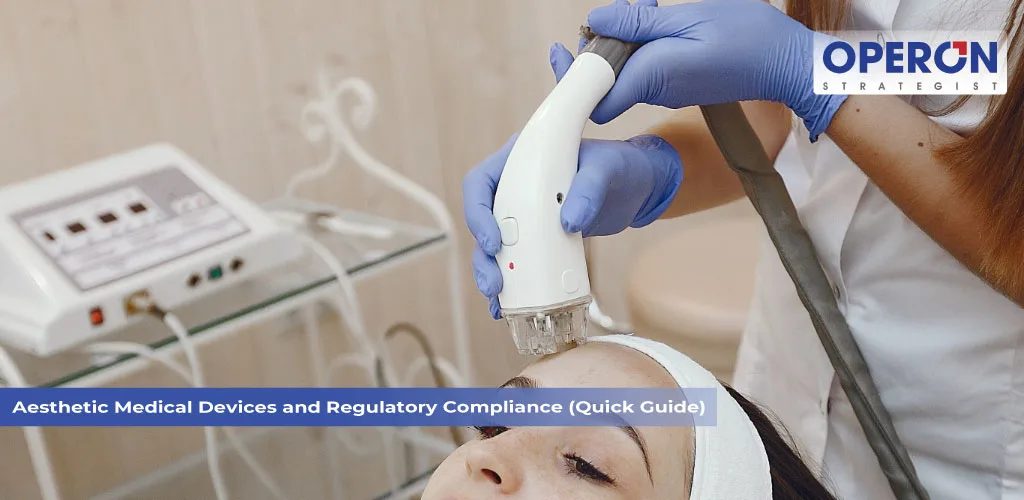
Aesthetic Medical Devices and Regulatory Compliance (Quick Guide)
What are Aesthetic Medical Devices?
As per USFDA, “Aesthetic (cosmetic) devices are typically used to improve appearance. They may be regulated by FDA depending upon their intended use and whether they impact the structure or function of the body”. The availability of new and exciting aesthetic medical equipment worldwide has led to an increase in demand for medical aesthetic treatments in recent years.
The advancement of high-tech aesthetic medical devices makes cosmetic treatments more effective and safer than previous treatments, resulting in a high demand for physicians, aestheticians, cosmetologists, and other skincare professionals.
Ready to Launch Your Aesthetic Medical Device Globally?
The medical aesthetics industry is developing a wide range of technologies, devices, processes, and systems around the world, including cosmetic lasers, infrared light, radiofrequency (RF) energy, and ultrasound technology. Cosmetic lasers are used in medical and beauty spas for dermatological purposes to help patients resolve wrinkles, skin resurfacing, cellulite reduction, pigmentation, hair removal, unwanted veins, skin conditions, fat reduction, body contouring, and other cosmetic issues.
Aesthetic medical devices are based on the technologies like, Radiofrequency technology which is the most popular and highly beneficial technology used for facial wrinkle reduction, ultrasound technology, laser technology etc.
What is Regulatory Compliance in Aesthetic Medical Devices?
The changes in medical device regulations create ambiguity among device manufacturers. New medical device regulations have widened the scope of classes of devices and other responsible factors of regulatory compliance. The regulations are reshaping and improving safety practices and guidelines. As medical device regulatory let’s take look of applicable regulatory compliance for these devices.
EUMDR compliance:
Previously Europe had an MDD framework which excluded cosmetics and aesthetics medical devices from its scope. But the current European Medical device regulations 2017/745(MDR) covers many types of these products. Annex XVI of MDR grouped a few cosmetics and aesthetic products like dermal fillers, tattoo removal equipment, collagen implant, colored contact lenses and other products that need to be compliant with the New Regulations. So, to sell Annex XVI products in Europe manufacturers need to be compliant with the requirements laid out in EUMDR and for the hazel free regulatory compliance our team can assist you.
Need Help With Aesthetic Medical Device Regulatory Compliance?
Talk to Our Regulatory Experts
How can we help you in EUMDR Compliance for Aesthetic Medical Devices?
The transition of MDD to MDR is confusing for some manufacturers, our EUMDR specialist team can build up effective transition strategies for your range of medical devices. We help you in
- CE mark certification
- Creation and submission of technical file to notified bodies
- Training and implementing the ISO 13485 Quality Management system
- Post market surveillance planning
- Clinical Evaluation Reporting (CER)
We assisted medical device manufacturers to obtain CE marking in Europe. We have the regulatory and quality experience to speed up your process and ensure compliance with MDR criteria.
USFDA Regulatory Compliance for Cosmetics and Aesthetic Medical Devices:
The aesthetic devices rejuvenate and tighten skin, smooth out or minimize wrinkles, and produce a more youthful appearance. The FDA and Health Canada have given their approval to these items. USFDA has two regulatory pathways which allow manufacturers to market their products in the USA. The first one is the FDA510(k) process which works by comparing the new device with an already existing and FDA-cleared device and determines the two devices are substantially equivalent. Another pathway is PMA premarket Approval Process) which is mostly used for Class lll devices due to the higher risk. As an FDA510(k) consultant we assist manufacturers in their regulatory compliance process. For regulatory compliance with USFDA, you can easily contact us.
Also Read: Top 5 Businesses to Invest in 2025
Indian Import/Manufacturing License for Aesthetic Devices:
The Indian market for aesthetic medical devices is showing a positive prospectus. The increasing use of aesthetic operations, new technologies, and the demand for procedures to enhance appearance are the main drivers of this business. To manufacture these devices in India device makers should register with CDSCO and get the manufacturing license. As a CDSCO manufacturing consultant, we provide end-to-end assistance to our clients. To import these aesthetic medical devices, one needs to register with CDSCO and should get a CDSCO import license.
Cosmetic and aesthetic medical device companies must learn new regulatory and quality assurance paradigms, many new medical device technologies developed and they provide superior aesthetic benefits. Aesthetic medical devices and their manufacturing and regulatory compliance is a vast subject of discussion. to discuss more on Aesthetic medical devices contact our experts or you can Whatsapp your requirements to us we will shortly answer your queries.
How Operon Strategist Helps With Aesthetic Medical Device Compliance
Bringing an aesthetic medical device to market requires more than product development—it requires the right regulatory strategy, technical documentation, quality systems, and evidence. Operon Strategist helps manufacturers navigate these requirements across global markets.
Our support includes:
- Regulatory Strategy: Identify the applicable pathway for markets such as the EU, USA, India, Brazil, Saudi Arabia, and other regions.
- Technical Documentation: Support preparation and review of technical files, device specifications, risk management documentation, labeling, and Instructions for Use (IFU).
- Clinical & Performance Evidence: Help manufacturers identify and organize appropriate clinical or performance evidence to support safety, performance, and product claims.
- Quality Management Systems: Support ISO 13485 QMS implementation and quality processes required for medical device compliance.
- CE Marking Support: Assist with EU MDR requirements, conformity assessment, GSPR documentation, and Notified Body coordination where applicable.
- FDA Regulatory Support: Provide guidance on applicable FDA pathways, including 510(k), where relevant.
- Global Registration: Support regulatory submissions and market-entry strategies for multiple international markets.
With Operon Strategist, manufacturers can build a structured regulatory pathway from product development through market entry, helping reduce compliance risks and avoid preventable approval delays.
Read Next: Oncology Medical Devices Manufacturing and CDSCO Compliance.
Accelerate Your Aesthetic Medical Device Approval
Contact Operon Strategist Today
FAQ's
What are aesthetic medical devices?
Aesthetic medical devices are products used for cosmetic or dermatological purposes, such as laser systems, IPL devices, radiofrequency equipment, microneedling devices, body-contouring systems, and certain light-based technologies.
Do aesthetic medical devices require regulatory approval?
Yes. Aesthetic medical devices may require regulatory approval or clearance depending on their intended use, technology, risk classification, and target market.
How are aesthetic medical devices classified?
Classification depends on factors such as intended purpose, invasiveness, duration of use, energy source, and potential risk to patients. Requirements vary between regulatory markets.
What regulatory requirements apply to aesthetic medical devices?
Common requirements may include device classification, technical documentation, risk management, clinical or performance evidence, quality management systems, labeling, and post-market surveillance.
Is CE Marking required for aesthetic medical devices in Europe?
Aesthetic devices that fall within the scope of the EU Medical Device Regulation (MDR) may require CE Marking. Certain aesthetic products without a medical purpose can also fall under MDR Annex XVI when they meet specified criteria.