
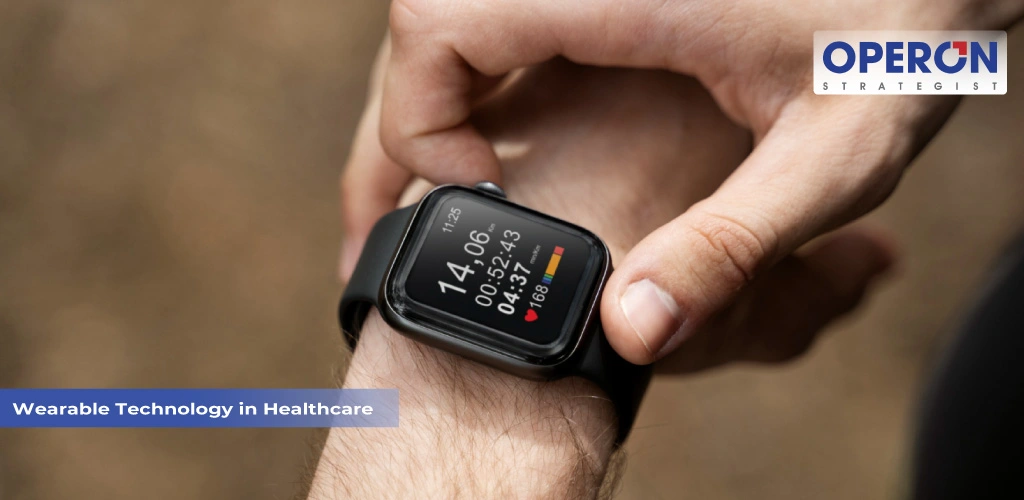
Wearable Technology in Healthcare: Complete Regulatory & Compliance Guide
The rapid evolution of wearable technology in healthcare is fundamentally reshaping modern patient care. What began as simple consumer fitness trackers has evolved into sophisticated, clinical-grade healthcare wearable devices capable of real-time diagnostics, continuous monitoring, and life-saving alerts.
From continuous glucose monitors (CGMs) tracking blood sugar variations to wearable blood pressure monitors and ECG smartwatches detecting cardiac arrhythmias, wearable health monitoring devices bridge the gap between hospital-bound treatments and home-based patient management.
However, transitioning a wearable concept from a design prototype to a commercially viable medical device requires navigating intricate global regulatory frameworks. If a device collects, analyzes, or transmits physiological data to diagnose, prevent, or treat medical conditions, it must satisfy strict safety, performance, and data security mandates enforced by global health authorities like the US FDA, European Union Notified Bodies, and India’s CDSCO.
Get in Touch with Our Medical Device Regulatory Experts
What is Wearable Technology in Healthcare?
Wearable technology in healthcare refers to biosensors, smart fabrics, body-worn patches, and non-invasive hardware designed to continuously track vital signs and biological parameters. Unlike point-in-time clinical measurements, wearable sensors for health monitoring capture real-time, longitudinal health data.
Key Categories of Wearable Medical Devices
Continuous Glucose Monitors (CGMs): Subcutaneous sensors and transcutaneous glucose monitoring devices that provide real-time blood sugar trends for diabetic management.
Wearable Blood Pressure Monitors: Wrist-worn cuffs and sensor-based continuous blood pressure tracking wearables for hypertension management.
Wearable Cardiac Trackers: Patch sensors and smartwatches equipped with single- or multi-lead ECGs for Detecting Atrial Fibrillation (AFib).
Pulse Oximeters & Respiratory Monitors: Wrist and finger sensors for continuous SpO2 monitoring, sleep apnea detection, and chronic respiratory management.
Wearable Defibrillators: Automated wearable cardioverter-defibrillators (WCDs) designed to monitor high-risk cardiac patients continuously and deliver life-saving shocks when needed.
Related Reads: Innovative Technologies in Medical Device Manufacturing
Distinguishing Wellness Gadgets from Regulated Medical Devices
A common pitfall for medtech startups and digital health developers is underestimating regulatory oversight. Health authorities classify devices based on their Intended Use and Indication for Use:
General Wellness Wearables: Products intended solely for lifestyle tracking, fitness goals, or stress tracking (e.g., standard step counters or sleep score trackers) generally face minimal or no medical device oversight.
Wearable Medical Devices: Devices designed to diagnose, track, treat, or mitigate disease—or those incorporating clinical software analytics—are legally classified as medical devices.
When a wearable integrates Software as a Medical Device (SaMD) to analyze data streams (such as AI algorithms predicting diabetic events or detecting arrhythmias), it triggers stringent SaMD regulations, software life cycle validation (IEC 62304), and strict cybersecurity protocols.
Global Regulatory Requirements for Wearable Medical Devices
Launching wearable health technology globally requires meeting regional compliance pathways. Here is how key regulatory authorities govern medical wearables:
1. United States – FDA Compliance
The US Food and Drug Administration (FDA) regulates wearable medical technology under the Center for Devices and Radiological Health (CDRH) and the Center for Digital Health Excellence.
Risk Classification: Class I (General Controls), Class II (Special Controls – most CGMs, ECG patches, and wearable BP cuffs), or Class III (High Risk / Sustaining Life).
Premarket Approval Pathways:
510(k) Premarket Notification: Required if the wearable is substantially equivalent to a predicate device.
De Novo Classification: Applicable for novel wearable tech with low-to-moderate risk that lacks a clear predicate.
PMA (Premarket Approval): Mandatory for high-risk, life-supporting wearable devices.
Key Standards: Compliance with 21 CFR Part 820 Quality System Regulation (QSR) / QMSR, IEC 62304 for software safety, and FDA wireless medical device guidance.
2. European Union – CE Marking (EU MDR 2017/745)
Under the EU Medical Device Regulation (EU MDR 2017/745), software and wearable diagnostics face elevated classification scrutiny:
Rule 11 Oversight: Under EU MDR, almost all standalone medical software and SaMD algorithms powering wearables fall into Class IIa, IIb, or III.
Conformity Assessment: Requires comprehensive technical documentation, a robust Clinical Evaluation Report (CER), and formal audit by a Notified Body.
Post-Market Surveillance (PMS): Mandatory continuous post-market clinical follow-up (PMCF) to monitor long-term clinical safety.
3. India – CDSCO Registration
India’s Central Drugs Standard Control Organization (CDSCO) regulates medical wearables under the Medical Device Rules (MDR), 2017:
Classification Framework: Class A (Low Risk) to Class D (High Risk). Most non-invasive continuous monitors fall under Class B or C.
Licensing Requirements:
Form MD-5 / MD-6 for domestic manufacturing licensing.
Form MD-14 / MD-15 for import licenses.
Mandatory ISO 13485: Registration requires proof of quality management compliance and performance testing certificates from accredited testing labs.
Unsure if your wearable device qualifies as a medical device or a wellness product?
Consult with Our Regulatory Experts Today
Essential Quality & Safety Standards for Healthcare Wearables
To achieve international market access, manufacturers must align their product development lifecycle with recognized international consensus standards:
ISO 13485:2016: The baseline Quality Management System (QMS) standard required across the US, EU, India, UK, and Canada.
ISO 14971: Comprehensive risk management framework addressing hardware hazards, skin contact biocompatibility (ISO 10993), and algorithm errors.
IEC 60601-1-11: Specific safety and essential performance requirements for medical electrical equipment used in the home healthcare environment.
Data Privacy & Cybersecurity: Adherence to HIPAA (US), GDPR (EU), and ISO/IEC 27001 standards to prevent unauthorized access to sensitive patient health records transmitted via Bluetooth or Cloud API networks.
Key Regulatory & Technical Challenges in Wearable Health Tech
Building compliant healthcare tech wearables presents unique engineering and regulatory hurdles:
Distinguishing Wellness vs. Medical Intended Use: Claims made on marketing materials, app stores, or packaging can inadvertently reclassify a fitness gadget into a regulated Class II medical device.
Cybersecurity & Wireless Reliability: Over-the-air (OTA) software updates, Bluetooth Low Energy (BLE) transmissions, and cloud database integrations demand continuous vulnerability management.
Battery Safety & Biocompatibility: Wearables worn continuously against the skin require rigorous biocompatibility testing (irritation, sensitization, cytotoxicity) and thermal management.
Interoperability & Data Integrity: Ensuring real-time metrics seamlessly integrate into Electronic Health Record (EHR) systems without data loss or latency errors.
How Operon Strategist Can Help You Launch Compliant Wearable Devices
Navigating the global regulatory landscape for wearable technology in healthcare requires specialized expertise in hardware, software, and quality management systems. Operon Strategist provides end-to-end regulatory consulting services to accelerate your device’s journey from prototype to market launch:
Regulatory Strategy & Device Classification: We analyze your device’s intended use, hardware specs, and software features to define the most cost-effective global registration pathway (FDA, EU MDR, CDSCO).
FDA 510(k), De Novo & PMA Submissions: Complete preparation of technical files, predicate identification, testing gap analysis, and direct liaison with the US FDA.
EU MDR CE Marking Technical Documentation: Compilation of complete technical dossiers, Risk Management Files (ISO 14971), and Clinical Evaluation Reports (CER) for Notified Body review.
CDSCO Medical Device Registration (India): Strategic advisory and dossier execution for manufacturing (Form MD-5) and import licenses (Form MD-15).
ISO 13485:2016 QMS Implementation: Custom design and deployment of Quality Management Systems tailored specifically to medical device hardware and Software as a Medical Device (SaMD).
Software Validation (IEC 62304) & Cybersecurity Support: Guiding software lifecycle development, verification/validation (V&V), and cybersecurity risk files.
Turnkey Manufacturing Facility Setup: Comprehensive guidance on cleanroom layout, equipment qualification, and facility readiness for regulatory audits.
Schedule a Technical Strategy Call with Operon Strategist
Need turn-key assistance navigating ISO 13485 setup or FDA 510(k) submission for your smart device?
FAQ's
What makes wearable technology in healthcare a medical device?
A wearable is classified as a medical device if its intended use includes diagnosing, monitoring, treating, or preventing a medical condition rather than general fitness tracking.
Are fitness smartwatches regulated by the FDA?
General fitness smartwatches tracking basic metrics like steps or non-diagnostic heart rates are not regulated; however, features like diagnostic ECGs or SpO2 alerts fall under FDA medical device regulation.
Why is ISO 13485 essential for wearable health tech manufacturers?
ISO 13485 establishes a certified Quality Management System required by regulatory authorities worldwide to prove your device is consistently designed, manufactured, and controlled safely.
How does EU MDR impact healthcare wearable software (SaMD)?
Under EU MDR Rule 11, software that provides information used to make diagnostic or therapeutic decisions is classified under higher-risk categories (Class IIa and above), requiring Notified Body approval.
What registration is required for medical wearables in India?
Medical wearables sold in India must obtain CDSCO approval under Medical Device Rules, 2017, requiring ISO 13485 certification, technical dossier submission, and valid testing certificates.