
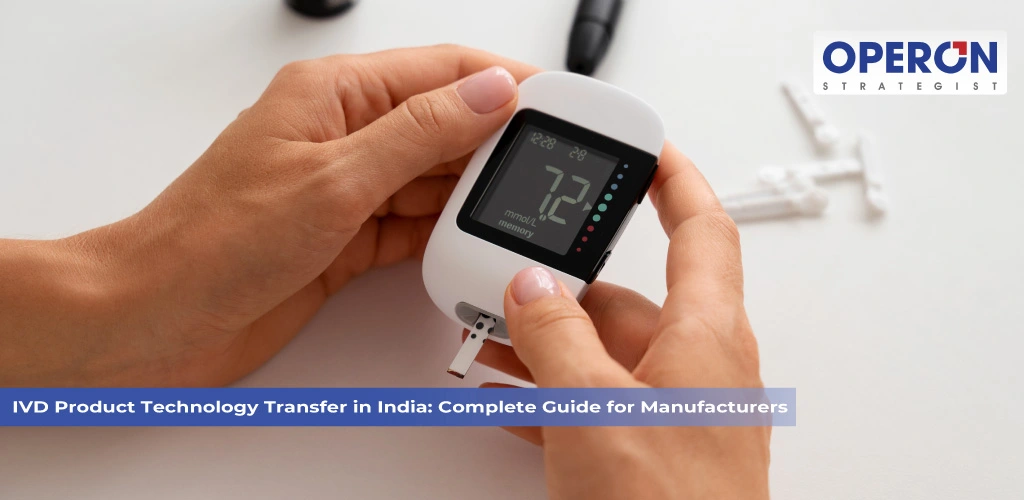
IVD Product Technology Transfer in India: Complete Guide for Manufacturers
IVD Product (MD) - Technology Transfer: Comprehensive Overview
IVD product technology transfer is a critical process for medical device manufacturers aiming to move their in vitro diagnostic products from development to large-scale manufacturing or from one facility to another. This process ensures that the quality, performance, and regulatory compliance of IVD products remain consistent across all production sites.
Successful technology transfer involves thorough planning, detailed documentation, and careful execution to meet CDSCO regulations in India and international standards such as ISO 13485. Properly conducted, it helps manufacturers scale operations efficiently, minimize production errors, and accelerate time-to-market while maintaining product safety and effectiveness.
connect with our experts today
Assembly of IVD Products in India
Successful IVD product assembly requires strict adherence to Quality Assurance (QA) and Quality Control (QC) processes:
- Quality Assurance (QA): Ensures all manufacturing steps comply with internal and regulatory standards.
- Quality Control (QC): Confirms each batch meets specifications before release.
- Automation Integration: Using semi-automated or automated assembly lines improves efficiency, reduces human error, and ensures consistency
Documents Required for Technology Transfer
Proper documentation is critical for a successful technology transfer. Operon Strategist recommends maintaining a complete design file and technology transfer documentation:
Design File Requirements
- Product specifications, drawings, and schematics
- Detailed list of raw materials and components
- Manufacturing process instructions and flowcharts
- Verification and validation reports
- Risk analysis and mitigation strategies
Technology Transfer Documents
- Standard Operating Procedures (SOPs) for manufacturing and assembly
- Batch manufacturing records
- QA/QC reports and Testing protocols
- Packaging and labelling instructions
- Process change logs and traceability records
Key Points to Note in IVD Technology Transfer
- Regulatory Compliance: Align all processes with CDSCO regulations and ISO 13485 standards to ensure local and international approvals.
- Traceability: Implement traceability systems to track raw materials, process changes, and testing results for audit readiness.
- Training: Equip local teams at the new site with thorough training to follow the transferred procedures correctly and consistently.
- Process Validation: Validate all processes at the new site through rigorous testing and documentation to ensure product reliability.
- Change Management: Document and approve any changes to equipment, processes, or materials during or after the transfer.
Accelerate your global medical device approvals
Speak with our specialists.
Benefits of a Structured Technology Transfer
- Ensures consistent product quality across different manufacturing locations
- Reduces assembly errors and production downtime
- Maintains compliance with regulatory frameworks such as CDSCO and ISO 13485
- Accelerates time-to-market for new or expanded operations
- Enhances operational efficiency, cost control, and supply chain management
Why Choose Operon Strategist for IVD Product Technology Transfer?
With extensive expertise in regulatory compliance and technology transfer, Operon Strategist offers tailored solutions for IVD manufacturers in India, including:
- End-to-end documentation and process management
- Implementation of QA/QC protocols aligned with regulatory requirements
- Staff training, validation support, and process optimization
- Assistance with CDSCO manufacturIng license approval and ISO 13485 certification
Our holistic approach ensures your technology transfer is smooth, compliant, and fully prepared for market entry.
Also Read: Diagnostic Kit Manufacturing & Regulatory Compliance
Ready to streamline your regulatory journey?
Get Your Medical Device Market-Ready with Expert Regulatory Support
FAQ's
What is IVD product technology transfer?
It is the structured process of transferring an in vitro diagnostic (IVD) product from the development phase to commercial manufacturing, or moving production from one facility to another, while ensuring product quality, safety, and regulatory compliance remain consistent.
What key documents must be included in the product's Design File?
The Design File requires:
Product specifications, drawings, and schematics
Detailed list of raw materials and components
Manufacturing process instructions and flowcharts
Verification and validation reports
Risk analysis and mitigation strategies
Which regulatory standards govern IVD technology transfer in India?
The process must comply with Central Drugs Standard Control Organization (CDSCO) regulations under the Medical Device Rules and international Quality Management System (QMS) standards under ISO 13485.
What operational documentation is needed for the receiving manufacturing site?
Essential transfer documentation includes Standard Operating Procedures (SOPs) for manufacturing and assembly, batch manufacturing records, QA/QC testing protocols, packaging and labeling instructions, and process change logs.
What are the main benefits of conducting a structured IVD technology transfer?
A structured transfer maintains consistent product quality across locations, minimizes assembly errors and downtime, ensures regulatory compliance with CDSCO and ISO 13485, and accelerates time-to-market.